Storing Seasonal Items in Self Storage in North East Melbourne

The need for self-storage options has significantly increased in North East Melbourne. The requirements of local companies and citizens are what are causing this increase. Space has grown in value due to a booming economy and an expanding population. Organising possessions may be difficult for many homes and businesses, particularly when it comes to seasonal products. Self-storage is a useful answer to these problems, as it’s a safe and practical way to keep anything you don’t need all year round.

For seasonal objects, self-storage is very advantageous. Anything from summertime outdoor furniture and sporting products to winter apparel and equipment might be included in this category. Both people and organisations may free up important space in their homes and workplaces by keeping these goods in a self-storage unit. Then, this area may be used for daily necessities more successfully.

The many advantages of using self-storage for seasonal items are explored in this article. It also offers helpful advice on how to choose the best storage unit in accordance with certain needs. Practical advice is also provided to help make sure that things are stored correctly and stay in good shape. In conclusion, the post lists a few trustworthy self-storage locations in North East Melbourne, emphasising important characteristics and cost factors.

People and organisations may manage their seasonal things more wisely if they are aware of the benefits and best practices of self-storage. This improves organisation while also guaranteeing the life and security of their possessions.

The Advantages of Keeping Seasonal Items in Self Storage

Seasonal things might occupy a lot of room in your house, such as summer outdoor gear or winter apparel. The following are the main advantages of storing these things in self-storage:

  • At-home space-saving: Optimising your living space can improve your quality of life. Self-storage facilities are a great way to clear out clutter and improve the functionality of your living areas.
  • Protection of belongings and security: Self-storage facilities include strong security features, such as on-site management, safe access controls, and surveillance cameras. These characteristics guarantee that your seasonal goods are shielded from harm and theft.
  • Simple access and convenience: You may easily retrieve your seasonal goods whenever needed by renting a self-storage facility. It’s nice to be able to collect your belongings whenever you choose because many facilities provide longer hours or even 24/7 access.

Types of Seasonal Items to Store

Changing sorts of seasonal objects can be housed in self-storage units since changing seasons offer varied demands.

  • Winter gear: This consists of snowboards, skis, boots, and thick clothes. By storing them properly, you can make sure these things hold up well for the upcoming season.
  • Summer gear: During the cooler months, items like outdoor furniture, grills, swimming pool equipment, and sports equipment like bikes and surfboards are frequently kept.
  • Holiday décor: You may need to make a lot of room in your house for Christmas trees, lights, ornaments, and other holiday décor. They remain secure and well-organised when kept in a self-storage facility.
  • Garden equipment and tools: You may store lawnmowers, patio furniture, and other garden items during the off-season to keep them out of your garage or shed.

Tips for Storing Seasonal Items

Your seasonal goods can last longer and be ready for use when needed if you store them properly. Here are a few useful pointers:

  • Packing correctly and labelling: When packing, use strong boxes and containers. To facilitate recovery, clearly identify each box with the items within. To safeguard delicate things, use packaging supplies like packing paper or bubble wrap.
  • Making an inventory list: Keep a thorough record of every item that is kept in storage. With the aid of this list, you can easily discover certain goods and maintain track of what’s in storage.
  • Efficient use of storage space: Utilise vertical space by utilising shelf systems and stacking boxes. Put the lighter objects on top and the heavier ones at the bottom. Make room for easy access and ventilation. 
  • Upkeep and maintenance of belongings in storage: Make sure your things are kept in good shape by giving them a routine inspection. Take quick action to address any problems, such as dampness or bugs, to avoid harm.

Finding a Self Storage Facility in North East Melbourne

Where to Look for Self Storage in North-east Melbourne

Take into account the following suggested choices and their salient characteristics when choosing a self-storage facility:

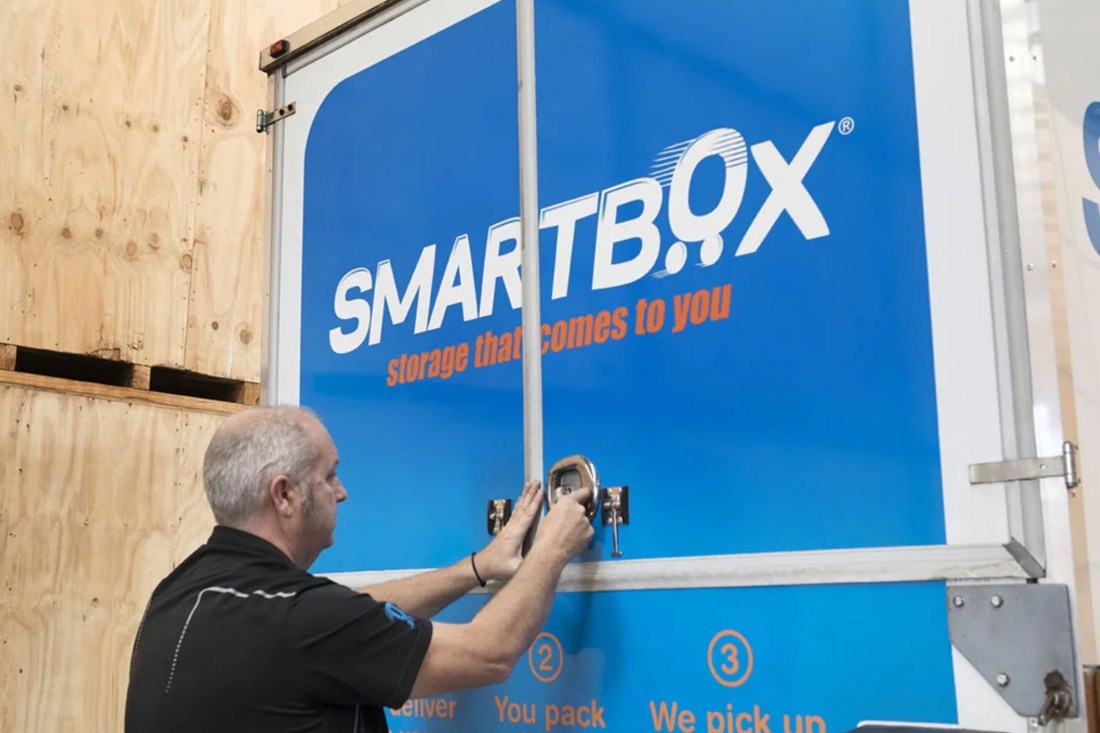
  1. North East Melbourne SmartBox Storage

Features include climate-controlled alternatives, secure access, transportable storage units that are convenient, and customisable renting lengths.

Pricing: Reasonably priced, with choices for both long- and short-term storage as well as exclusive offers for new clients.

  1. North Melbourne National Storage

Features include modern security systems, climate-controlled apartments, access around-the-clock, and a range of unit sizes.

Pricing: Reasonably priced rentals with adjustable lease lengths and savings for extended stays.

  1. Heidelberg’s Fort Knox Self Storage

Features include several storage choices, insurance options, drive-up access, and on-site administration.

Cost: Reasonably priced with introductory offers to new clients.

  1. King Storage Alphington

Features include choices for car storage, on-site packing materials, and secure access restrictions.

Pricing: Midrange with online booking promotions and seasonal savings.

Take into account the following elements while assessing storage facilities:

  • Features for security: Make sure the building has strong security, such security gates, surveillance cameras, and well-lit areas.
  • Accessibility: Verify the facility’s operating hours and the convenience of getting to your apartment.
  • Customer evaluations: To evaluate the reputation and calibre of services provided by the establishment, read reviews and testimonials from previous patrons.
  • Price considerations: Examine prices at various facilities, accounting for any extra charges or special offers.

Conclusion

There are several advantages to using self-storage for seasonal things, including space-saving in your home and safety and security for your possessions. You may maintain the best possible condition and easy accessibility for your seasonal things by choosing the appropriate storage container and adhering to useful storage suggestions. It’s simple to locate a self-storage facility in North East Melbourne that suits your needs because to the variety of features and cost choices available.

Think about the benefits and ease of self-storage while organising your seasonal belongings. Your valuables, whether they are garden tools, winter or summer apparel, holiday decorations, or other items, may all be kept in one secure location with a self-storage unit. Accept the advantages of self-storage and take pleasure in a clutter-free home all year long.

Be Prepared: How Self-Storage Can Aid Disaster Readiness for North-East Melbourne Residents

bunch of boxes in a room

North East Melbourne is a beautiful and vibrant part of Australia, but it’s also a region susceptible to natural disasters. Floods, bushfires, and severe storms can cause significant damage to property and infrastructure and disrupt lives for weeks or even months. While we can’t control these events, we can take steps to be prepared for them.

Unfortunately, limited space in our homes often makes disaster preparedness a challenge. Storing bulky emergency supplies like water, generators, and first-aid kits can be difficult. Finding a safe and secure place for important documents and valuables can be even harder. This is where self-storage in North East Melbourne can become a valuable tool to help residents be better prepared for any emergency.

The Challenges of Disaster Preparedness in North-East Melbourne

Many North East Melbourne residents face unique challenges when it comes to disaster preparedness due to limited space in their homes and a lack of suitable storage options within their dwellings. Here are some specific examples:

  • Apartment living: Although they often provide little storage space, apartments are a common type of accommodation in North East Melbourne. This might make it challenging to gather necessary emergency supplies, like non-perishable food, bottled water, first aid kits, and sanitary products. Larger emergency supplies like generators, collapsible picnic tables, chairs, or portable grills may be difficult for residents to store. Although several apartment complexes would have a restricted number of storage cages or lockers in their garages or basements, these areas could be small and difficult to get into, particularly in an emergency. Apartment residents have access to a larger and more convenient option for storing their emergency supplies and gear: self-storage facilities.
  • Limited storage in houses: Even some houses in North East Melbourne may not have ample storage space. Many homes lack dedicated storage rooms or large basements, and garages may be filled with vehicles or other belongings. This leaves limited space for stockpiling emergency supplies or storing bulky items like fire extinguishers, sandbags, or rolls of heavy-duty plastic sheeting.
  • Accessibility issues: Some homeowners may rely on basements, attics, or garages to store belongings. However, these spaces can be readily accessible during an emergency. Flooding can cut off access to basements, while attics with pull-down stairs may be difficult to navigate in a hurry or after dark. Similarly, fires or debris may block access to garages. Storing essential supplies in a readily accessible location is crucial for a quick response during a disaster.
  1. Inaccessible storage: Some homeowners may rely on basements, attics, or garages to store belongings. However, these spaces may not be readily accessible during an emergency due to flooding, fire, or debris.
  2. Protecting valuables: Important documents (e.g., passports, wills) and precious keepsakes (e.g., jewellery, heirlooms) need a safe and secure location during a disaster. Standard home storage may not offer adequate protection from fire, water damage, or theft.
man securing the box

How Self-storage Units Can Help North East Melbourne Residents Be Disaster Ready

Benefits: 

  • Frees up space at home for essentials: this keeps essentials like water, food, and first-aid kits close by without cluttering your home.
  • Protects valuables from damage and theft: offers secure, climate-controlled units that safeguard important documents and irreplaceable belongings from fire, water, and theft.
  • Offers convenient access to stored items during an evacuation. These units near home allow quick retrieval of supplies during emergencies.

Types of units suitable for disaster preparedness:

  • Climate-controlled storage facilities are necessary to protect temperature-sensitive goods from being harmed by excessive heat or cold. Items such as medical supplies, technology, pictures, and critical papers can fall into this category. Climate-controlled units shield your possessions from warping, breaking, or the growth of mould by helping to maintain a constant temperature and humidity level.
  • Drive-up units: These units make it easy to load and unload heavy items by allowing you to pull your car right up to the entrance. Larger things that are frequently used in disaster preparation, including generators, coolers, tarps, plywood boards, sandbags, or foldable furniture, are best stored in this way. For greater amounts of bottled water, canned food, or other emergency supplies, drive-up machines can be a suitable choice.

Finding the Right Self-Storage Facility in North East Melbourne

  • Location: Look for facilities close to home for easy access. Proximity is crucial, especially during emergencies when time is of the essence. Having a storage unit nearby ensures you can quickly reach your supplies when needed.
  • Security: Choose a facility with 24/7 security features such as alarms and cameras. These measures help protect your valuables from theft and damage. Knowing your items are secure provides peace of mind during a disaster.
  • Unit Size: Select a unit that comfortably fits your disaster preparedness needs. Consider the volume of items you need to store, including emergency supplies and valuables. A well-sized unit allows for easy organisation and access to your essentials.
  • Accessibility: Ensure the facility offers convenient access during emergencies with flexible hours. The ability to reach your unit at any time is crucial for effective disaster response. Check if the facility can accommodate special access needs during crises.

Extra Strategies for Maximising Self-Storage for Disaster Preparedness

Natural disasters are a threat in North East Melbourne, and limited home space can hinder preparedness. Secure storage can be a valuable asset, but organisation is key. For a swift response, clearly label stored items. Use durable labels with specific names, like “First-Aid Kit” or “Canned Food.” This saves time in an emergency. Secondly, rotate perishable supplies like water and food. Regularly check expiration dates and replace outdated items to ensure they’re usable when needed. Finally, maintain an inventory list for organisation and insurance purposes. A detailed list helps track belongings and simplifies filing claims in case of disaster. By following these steps, your storage unit becomes a well-equipped disaster preparedness zone, ready to provide the resources you need when disaster strikes.

Conclusion

Disaster preparedness is essential for ensuring the safety and resilience of North East Melbourne residents, and this proves to be a valuable tool in this effort. Utilising self-storage for safeguarding vital documents, valuables, and emergency supplies provides significant peace of mind, knowing that your essentials are secure and accessible in times of crisis. We encourage all residents to explore local unit options to enhance their disaster readiness and protect their families and belongings. Taking proactive steps now can make a substantial difference when it matters most.