The Storage of Memories That Brings Me Back to Sydney

I never thought I’d find myself so far from home, but still feel so connected to it. Life has a way of spreading us around the world, but sometimes it ties us down in unexpected ways. For me, that tie is my grandfather. Growing up, my grandparents’ home in Sydney was my safe place. While my parents were busy with their own lives, my grandfather filled my world with stories, advice, and a strong sense of belonging. The smell of his old books, the sound of his deep voice, and the feel of his hand on my shoulder as he taught me how to whittle wood are all part of my fondest memories. That house was full of special moments, and he was the keeper of every secret and memory.

The Weight of Change

But time moves on, and life doesn’t always let us linger in the places we love. My career took me to Europe, far from the sunlit afternoons spent in that house. My visits to Sydney became less frequent, and eventually, my grandfather decided to move into a care home. It was his choice, something he did with the same calm pragmatism he applied to everything in life. “Better to be somewhere I can get the help I need,” he said, brushing off our concerns.

When the house was sold, everything changed. My mother, burdened with her own family and responsibilities, made the practical decision to put all of my grandfather’s belongings into storage. It made sense—where else would you keep a lifetime of memories when there was no longer a home to hold them? But to my grandfather, those things were more than just items—they were pieces of his life, of our shared history. And so, he made one final request of me: “Take care of them, would you? Just until I’m gone.”

It was a simple enough request, but it carried the weight of all those years we spent together. Though I lived half a world away, I couldn’t say no. I knew, deep down, that this was my responsibility—not just to the things in those boxes, but to the man who had given me so much.

Bridging the Distance

Whenever I managed to make the long trip back to Sydney, one of my first stops was the care home where my grandfather now lived. His face would light up when he saw me. Though his body had grown frail, his mind was still sharp. We’d sit and talk about everything—my life in Europe, his days at the care home, and the past. And inevitably, he would ask me about his belongings.

“Could you bring me the old photo albums next time?” he’d ask, or, “I’ve been thinking about that old gramophone—could you see if it still works?” It was never an idle request; each item he asked for held some significance, some memory he wanted to revisit. And so, I would dutifully go to the storage facilities in Sydney, dig through the boxes, and bring him what he wanted.

Keeping the Promise

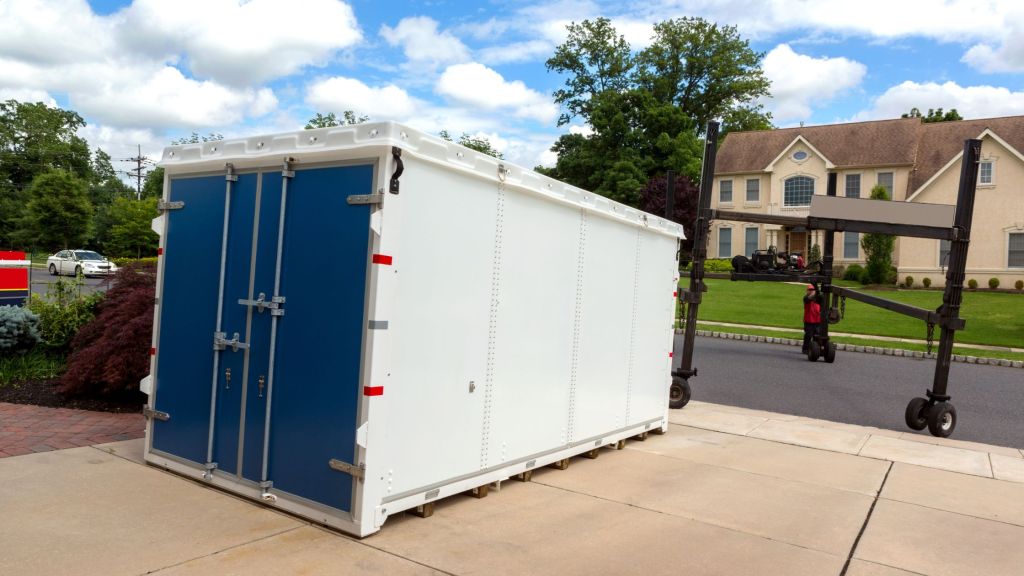
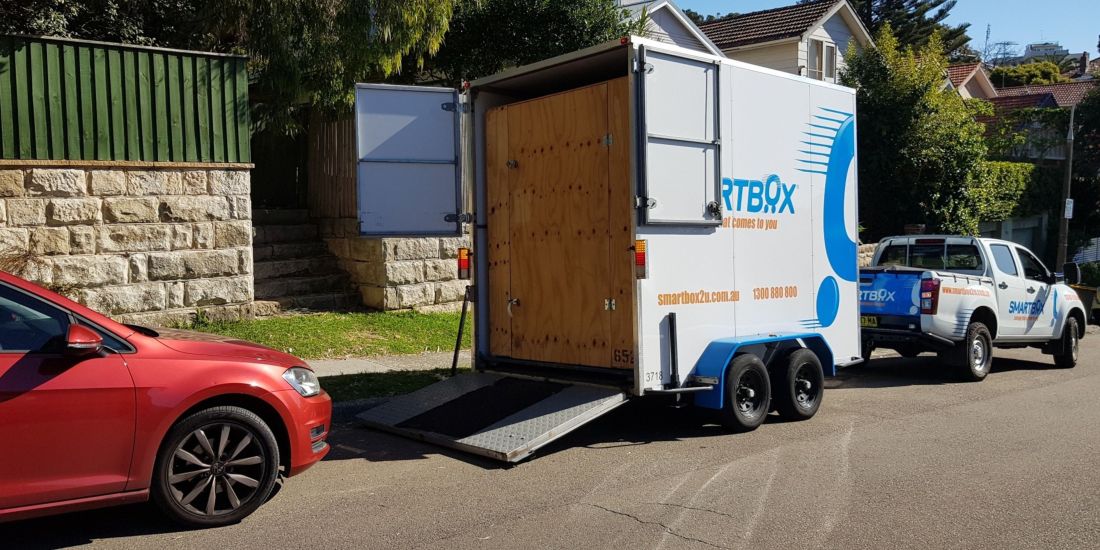
Sometimes, when I couldn’t be there, we’d arrange for mobile storage services in Sydney to deliver the items directly to him. It wasn’t the same as doing it myself, but at least he could still hold those pieces of his past in his hands, even when I wasn’t around. This flexibility was crucial for us, allowing him to remain connected to his cherished memories without the burden of logistics. I often wondered if my grandfather regretted his decision to leave the house, to put all those things in storage. But if he did, he never said so. He would smile as he ran his hands over the smooth wood of an old chair or as he flipped through the pages of a well-worn book, and I knew that for him, the memories were enough. The things themselves were just reminders, placeholders for moments long gone.

As the years went on, our visits became more poignant. Each time I left, I wondered if it would be the last. But my grandfather was as resilient as ever, his spirit undimmed even as his body grew weaker. And so, I kept my promise, taking care of his belongings as if they were my own.

Grasping the Moment

One day, during one of my visits, he asked me to sit with him in the garden. The sun was setting, casting a warm glow over everything. He didn’t ask me to bring him anything that day. Instead, he took my hand and said, “You’ve done well, you know. Better than I could’ve asked for.”

I didn’t know how to respond, so I just squeezed his hand, the same way he had done for me so many times before. We sat in silence, watching the sun dip below the horizon, and for a moment, it felt like we were back in that old house, where time stood still and nothing could touch us.

Just as the moment turned sentimental, he quipped, “You know why I don’t ever tell secrets on a farm? Because the potatoes have eyes, the corn has ears, and the beans stalk!” His laugh filled the air, reminding me that even in moments of reflection, he always found a way to bring joy.

Beyond Boxes and Belongings

As I sat there, I realised that this was the reason I kept coming back to Australia, despite the distance and the demands of my life in Europe. It wasn’t just about fulfilling a promise or caring for things in storage. It was about preserving the connection to my grandfather, to the life we shared. And so, I made a decision: I wasn’t going to let go of that storage unit, no matter what.

I’m fortunate enough to be paid well for my work in Europe, so the cost of keeping the storage unit isn’t a burden. But even if it were, I would find a way to keep it. Those things in storage—they’re more than just objects. They’re tangible pieces of memories, of a life that shaped mine. Without that storage unit, those things would be scattered, lost, or forgotten. But because storage was an option, and because there are affordable storage solutions for personal items with quality service, I can keep them safe, just as my grandfather asked.

A Living Memory

The storage facilities in Sydney have been there for years, and they’ve given me peace of mind knowing that everything is secure. The affordable cost, combined with the quality service, means I never have to worry. I know that each time I return to Sydney, those pieces of my grandfather’s life will be there, waiting for me to take them out, to relive the memories they hold.

In a way, the storage unit has become a part of my life, just as much as my grandfather’s stories have. It’s a small price to pay to keep those memories alive, to ensure that they’re not just forgotten or left to fade away. And as long as I can keep them safe, I will. Because those memories—they matter more than money. They’re priceless, irreplaceable, and worth every trip back to Australia.

So, I’ll keep coming back, I’ll keep that storage unit, and I’ll keep my grandfather’s legacy alive. It’s a burden I’m proud to bear, a final act of love for the man who taught me what it means to truly care for something, even when it’s no longer in your life.

Overcoming the Frustration of  Home Privacy Breaches

Imagine arriving home after a demanding day at work, only to discover that a space in your flat—meant to be exclusively yours—is now cluttered with someone else’s belongings. This was my reality when my landlord decided to use a designated area in my flat without my permission. This invasion of my personal space, compounded by the stress of my job, felt overwhelming. However, discovering the right storage solution with delivery services became crucial in managing this issue. Storage space isn’t just an extra—it’s essential for keeping personal items organised and your home clutter-free. When a landlord uses this space without permission, it disrupts your sense of privacy and security.

Surprise at Home

Returning home one evening, I was dismayed to find that a specific area in my flat, meant solely for my use, was filled with unfamiliar items. The sight was both shocking and deeply frustrating. It felt like an invasion of my personal space, adding an extra layer of stress to my already overwhelming day. Standing there, I was filled with a mix of anger and disbelief. It wasn’t just about the clutter—it was about the violation of a space that was meant to be mine alone.

Dealing with the Mess

Dealing with the problem was really hard. I started by carefully documenting everything, taking clear photos of the items that didn’t belong to me, and writing down where they were and their condition. Even though I was busy, I wrote a formal complaint to the landlord, explaining what happened and asking for a quick fix. Sadly, the landlord’s response was slow and didn’t solve the problem, even though they promised they would. I had to keep following up to make sure the issue was dealt with. Frustrated by the ongoing problems and feeling let down, I decided to move out. This brought its own challenges, especially since I had to stay with a friend for a while. It was tough to fit all my things into their small space, showing how important it was to have a flexible storage solution to make the move easier.

Starting the Search

My search for a storage solution focused on balancing affordability with convenience. I needed a facility that offered competitive pricing and, importantly, storage with the option to have my items delivered to the storage facility.  Given my busy schedule, a facility that could arrange for my belongings to be transported directly to the storage unit was essential to ease the burden on my already stretched time and energy. After thorough research,  I found a facility where I could rent storage in Sydney that met my needs perfectly. It provided flexible storage options and the convenience of having my items delivered to the storage unit. This setup allowed me to securely store my belongings while I looked for a new home. The convenience of having my items delivered directly to the storage facility was a major benefit, offering crucial support during this stressful period.

Settling into a New Home

The storage solution from the facility proved to be a lifesaver, which significantly reduced the physical and logistical strain on me. This allowed me to focus on other aspects of the transition without being overwhelmed by transporting my items. The efficiency of the service made managing my belongings much easier, smoothing out many of the usual hassles. Having my items delivered to the storage facility was a game-changer, helping me stay organised. Once I found a new place, the facility’s mobile storage service continued to be helpful by arranging for my items to be delivered directly to my new home. This convenience saved a lot of time and effort, making the transition into the new space much smoother and less stressful.

Know Your Rights

Tenants have rights regarding their rented spaces, including areas within their flats. Local laws often protect these rights, ensuring landlords respect tenants’ exclusive access to their designated spaces. In New South Wales, the Residential Tenancies Act mandates that landlords cannot use or access tenants’ personal spaces without permission.

Getting Legal Help

When I faced the unauthorised use of my space, I knew it was crucial to seek legal advice from real estate lawyers or tenant advocates to understand my rights and navigate the legal process. I made sure to document everything meticulously, including clear photos of unauthorised items and records of all communications with the landlord, as this evidence was key to resolving the dispute. I approached the landlord with a clear complaint, referencing my lease agreement and proposing a resolution. When this didn’t work, I sought legal advice and mediation. For temporary storage, I found facilities that offer both short-term and long-term storage in Sydney and delivery services. Jane Smith, a real estate lawyer, reminded me that tenants have the right to exclusive use of their rented spaces under the Residential Tenancies Act 2010 (NSW).

Wrapping Up

My journey from discovering the unauthorised use of a personal space in my flat to finding a suitable storage solution highlights the importance of addressing such issues promptly. Opting for the right storage solution can ease transitions and manage unexpected challenges with greater ease. This experience underscored the value of practical storage solutions during transitional periods. Choosing a storage solution made a significant difference, helping me handle a stressful situation more smoothly and maintain balance in my professional and personal life. If you’re dealing with similar issues or searching for a reliable storage solution, consider facilities that offer flexibility and convenience. The right choice can greatly simplify your transition and alleviate stress.

FAQs

  1. What should I do if my landlord uses a space in my flat without permission? Document the issue with photos and notes, then formally communicate your concerns to your landlord. If the problem persists, seek legal advice or consider moving if necessary.
  2. How can I find affordable storage options in Sydney? Look for affordable storage facilities with competitive pricing and flexible terms. Online reviews and comparisons can help identify affordable storage options.
  3. What are the advantages of using storage with delivery straight to the storage facility? A facility with services that can handle the logistics of transporting your items, reducing physical strain and making the moving process more convenient.
  4. How should I handle disputes with my landlord effectively? Communicate clearly and professionally, keep detailed records of all interactions, and understand your tenant rights. Seek legal assistance if needed to resolve the dispute.
  5. What factors should I consider when choosing a storage facility? Consider the cost, location, security features, and available services like delivery. Choose a facility that meets your specific needs and fits your lifestyle.

Using Storage to Protect Belongings Before Bushfires Flare Up

As a long-time resident of Sydney’s suburban areas, I’ve experienced the anxiety and uncertainty that come with bushfire threats. The scorching heat, the crackling sounds of dry foliage, and the distant smell of smoke can transform an ordinary day into a race against time to protect what matters most. During my first years living in this beautiful region, I thought bushfires were a distant concern, affecting only remote areas. I was naive, believing that such disasters were unlikely to affect me. But it wasn’t until a harrowing experience that I realized how quickly these threats could become personal. That terrifying moment jolted me into reality and made me understand the importance of being prepared and safeguarding my valuable possessions.

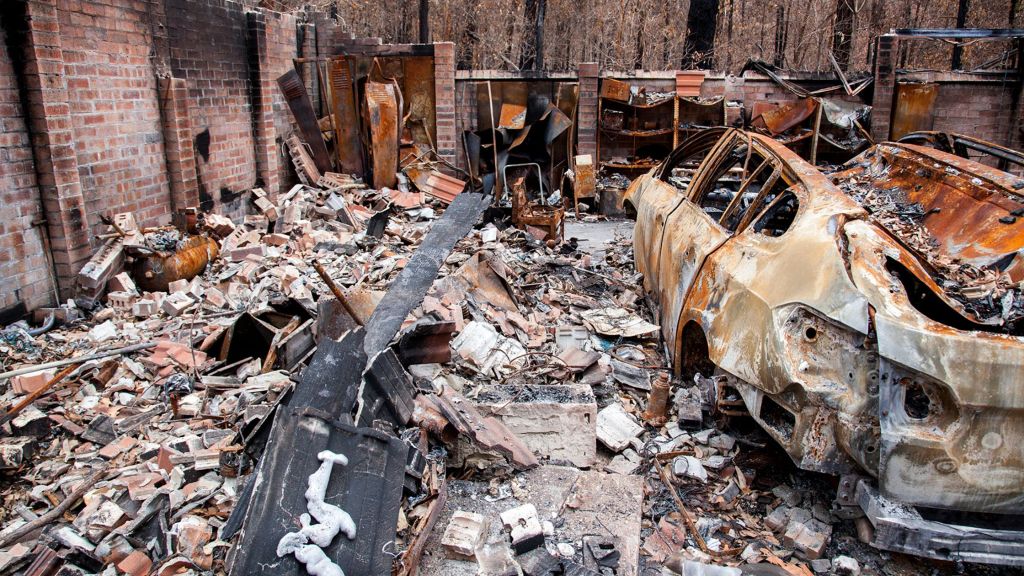
It was a typical summer day when the sky darkened with smoke, and the air filled with urgency. I rushed home to gather my belongings, believing I could protect everything that mattered. As I sat on my motorbike in the driveway, adrenaline coursing through my veins, I realized how close I was to losing everything. Suddenly, an explosion echoed through the air, and at that moment, I understood the true weight of what I was risking. I learned that when a fireball comes, everything else can be lost instantly. You never know when disaster will strike; it’s better to invest in storage solutions for safety than to face the regret of losing irreplaceable items later.

Learning the Importance of Emergency Storage Solutions

Living in Sydney, I’ve witnessed first hand the alarming rise in bushfire incidents. It’s not just about wildfires raging in distant areas; they can quickly creep into our suburban neighborhoods, threatening homes and livelihoods. The combination of scorching summer heat, dry winds, and flammable vegetation makes our surroundings vulnerable. This reality makes it essential for all of us to have a proactive approach to protect our homes and cherished belongings.

Doing the Essential Steps to Take Before the Bushfire Season

Preparation is key to surviving bushfire threats. Here are the essential steps I’ve taken to safeguard my belongings:

Assessing My Storage Needs

The first step I took was evaluating which items were most important to me. I realized that family heirlooms, critical documents, and emergency supplies were my top priorities. Understanding what matters most was crucial for effective storage and ensuring that I’m prepared for any emergency. By focusing on these key items, I could tailor my preparations to protect what truly mattered.

Creating an Inventory List

I meticulously documented everything I planned to store, including photographs and descriptions of each item. This inventory list became a vital tool, especially for insurance claims and quick decision-making during emergencies. Having a clear, organized record made a huge difference when I needed to act quickly, allowing me to efficiently manage my belongings in a crisis.

Journey with Portable Storage Units and Mobile Self Storage

In my journey from using traditional storage solutions to adopting Smartbox’s advanced portable storage or mobile self-storage, I found significant improvements in managing and protecting my belongings. The Smartbox portbale or mobile self-storage offered a more efficient and stress-free approach, allowing me to handle emergencies with greater ease. Additionally, the climate-controlled options continued to safeguard my sensitive items from damage.

In summary, while traditional storage methods were adequate, switching to Smartbox’s portable or mobile self-storage has made a significant difference. The enhanced convenience and flexibility of this advanced storage solution, combined with climate control for sensitive items, has greatly improved my ability to protect and manage my possessions, especially during bushfire threats.

My Go-To Emergency Storage Solutions in Sydney Suburbs

  • Utilizing Local Storage Facilities: I’ve relied on various local storage facilities for their convenience and security. Searching for “storage near me” helped me find nearby options with competitive pricing and solid security.
  • Affordable Options: I discovered several budget-friendly facilities, including Smartbox, offering affordable rates for long-term storage during bushfire season. Managing costs while ensuring safety was crucial.
  • Comparing Providers: Comparing rates and security features of different storage providers was essential. Not all storage units are the same, so finding the right fit significantly impacted my peace of mind.

How I Prepared My Valuables for Bushfire Emergencies

To better prepare for bushfire threats, I prioritized safeguarding irreplaceable documents and valuables by investing in high-quality fireproof containers that offer both durability and portability. Additionally, I created a detailed digital inventory and used colour-coded labels to organize my storage unit, ensuring quick access during emergencies. By digitizing important documents and setting up a “grab-and-go” box with essential items, I’ve turned potential chaos into calm, allowing me to act swiftly and protect what matters most.

How Experts and My Own Efforts Prepared Me for Emergencies

My journey to understanding the importance of effective emergency storage began with a mix of personal experience and research, fueled by the stark realities of bushfire devastation I saw in the news. Realizing the need for a robust storage strategy, I consulted with experts and learned several key lessons. Regularly updating my inventory ensures accuracy during emergencies, while organizing essential items for easy access transforms potential chaos into manageable situations. Clear communication with my storage facility has also been crucial for staying informed about risks and changes. Ultimately, effective storage not only safeguards valuable belongings and critical documents but also enhances overall preparedness, allowing me to focus on safety and recovery rather than the stress of potential loss.

The Often-Overlooked Importance During Emergencies

There are often overlooked scenarios regarding the importance of storage during emergencies. Before my close call with a bushfire, I didn’t consider storage solutions and took my belongings sydnfor granted, believing they would always be there. However, the chaos and uncertainty of a bushfire threat highlighted the necessity of having a storage plan in place.

The cost of neglecting storage needs became clear when I realized that everything can be lost in an instant, leading to the emotional toll of losing irreplaceable items. I learned that we often don’t appreciate what we have until faced with the reality of losing it. My personal experience reinforced this understanding. Sitting on my motorbike, ready to evacuate, I felt invincible until a sudden explosion jolted me back to reality, illustrating how quickly everything can change. That moment solidified my commitment to safely storing valuable items, instilling in me a sense of urgency and responsibility to ensure I never find myself in a vulnerable position again.

In the face of increasing bushfire threats, storage solutions are not just a luxury—they are a necessity for protecting our most cherished possessions. The experiences I’ve shared are reminders of the importance of preparedness and planning. Proactive measures today can save you from the regret of losing what matters most in the future. Let’s embrace the importance of storage and ensure our lives and belongings are well protected against the unexpected.

FAQs

  • What should I store in preparation for bushfire threats?
    In preparation for bushfire threats, consider storing essential items such as important documents (birth certificates, insurance papers), sentimental items (family photos, heirlooms), emergency supplies (first aid kits, food, water), and fireproof containers for valuables.
  • How can I find affordable storage solutions in Sydney?
    To find affordable storage solutions in Sydney, search for local facilities online using terms like “affordable storage Sydney” or “storage near me.” Compare rates, features, and customer reviews to find the best options for your needs.
  • What types of storage units are best for protecting against bushfires?
    Fireproof and waterproof storage units are ideal for protecting against bushfires. Portable storage options allow for quick evacuation, while climate-controlled units help maintain the integrity of sensitive items during extreme heat.
  • How can I prepare my community for bushfire threats?
    Preparing your community involves organizing collective storage solutions for emergency supplies and resources. Host community meetings to discuss storage plans, share information on local storage facilities, and create an inventory of shared emergency supplies.
  • What insurance options should I consider for stored items?
    When insuring stored items, look for policies that cover fire damage and theft. Review the terms to ensure they meet your specific needs and consider additional coverage for high-value items. Always keep an inventory of insured items for reference.

Keeping Up with Year-Round Seasonal Storage

As the sun sets on another vibrant Australian summer and the cooler months approach, it’s time to dive into the art of seasonal storage—a tradition that has become second nature to many Sydneysiders. In bustling Sydney, where space is a precious commodity, efficient seasonal storage is not just about tidying up; it’s about creating a harmonious living environment. Whether you’re a student moving between accommodations or a busy professional managing life in a compact apartment, organising your seasonal belongings thoughtfully can transform your space. Let’s explore some tried-and-tested strategies to streamline seasonal storage and make the most of your belongings throughout the year.

What Are Seasonal Storage Solutions

Seasonal storage solutions are all about smartly organising items that aren’t needed year-round. It’s not just about packing away summer and winter clothing; it’s also about everything from surfboards to festive decorations. Here’s how to handle the change of seasons effectively:

  • Storing Summer Beach Gear: As beach days wind down, it’s time to pack away summer essentials like umbrellas, towels, and surfboards. Using waterproof bags or bins can protect these items from moisture, ensuring they’re in top shape for the next summer season.
  • Packing Winter Clothing: When winter ends, storing away heavy coats, boots, and warm accessories in airtight containers helps keep mould and dust at bay, keeping your winter wardrobe fresh until it’s needed again.
  • Organising Holiday Decorations: After the festive season, carefully pack away decorations. Use labelled boxes and bubble wrap for fragile items, making it a breeze to unpack and display them the following year.
  • Managing Sports Equipment: With the change in seasons, store bikes, kayaks, or skis with care. Thorough cleaning, protective covers, and a dry, cool storage space keep them in great condition.
  • Students Storing Unused Items: For students who move out for the semester, storing summer clothes, dorm essentials, or recreational gear until the next break helps create a functional living space during the academic term.
  • Transitioning Between Seasons: Swapping out decor, bedding, or kitchen items helps streamline the transition between seasons. Consider which items are used regularly and which can be stored away until they’re needed again.

Why Organise Seasonal Storage

Purpose and Benefits

Organising seasonal storage isn’t just about keeping things tidy—it’s about creating a practical and stress-free living environment. Here’s why it matters:

  • Prevents Clutter: With Sydney’s urban living and limited space, effective seasonal storage helps keep your home organised, especially for those in smaller apartments or homes.
  • Protects Belongings: Improper storage can damage items from moisture, pests, or temperature changes. Proper storage ensures everything stays in excellent condition and is ready for use.
  • Simplifies Retrieval: Knowing exactly where seasonal items are stored saves time and effort during transitions, making it easy to switch from summer to winter gear, for instance.

When to Organise Seasonal Storage

Timing and Frequency

To keep things running smoothly, follow a regular schedule:

  • End of Each Season: Set aside time at the end of each season to pack away items. For example, when summer wraps up, dedicate a weekend to sorting through beach gear and clothing.
  • Post-Holiday Review: After holidays, review decorations and other items. It’s a great opportunity to declutter and make space for new things.
  • Biannual Check-ins: Check your storage situation at least twice a year—before summer and winter. This helps stay on top of what you have and prepare for seasonal changes.

Where to Store Seasonal Items

Ideal Storage Solutions in Sydney

Storage Sydney offers various options to cater to different needs. Here’s what works best:

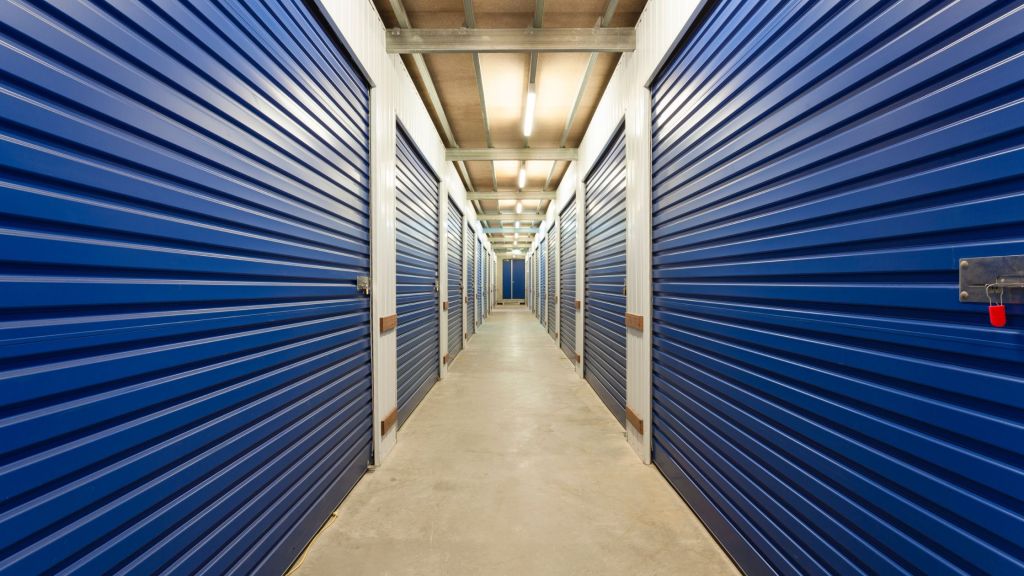
  • Self-Storage Units: These are perfect when you need extra space. Whether it’s for temporary storage during breaks or for bulky items, self-storage units offer flexibility and security.
  • Home Storage Spaces: Maximise every inch of your living space with under-bed storage boxes, attic areas, and closet organisers to keep less frequently used items both accessible and out of sight.
  • Mobile Storage Options: For students or those in transition, mobile storage units are a lifesaver. They deliver the unit to your door, allowing you to pack at your convenience, then pick it up for secure storage. This is ideal for short-term needs.

Considerations for Sydney’s Climate

Sydney’s humid climate impacts storage needs, so keep the following in mind:

  • Humidity Levels: High humidity can damage electronics, fabrics, and wooden items. Climate-controlled storage options help protect sensitive belongings from moisture damage.
  • Pest Control: To keep stored items safe from pests, use airtight containers and regularly inspect storage areas for any signs of infestations.

How to Pack Seasonal Items

Best Practices for Packing and Protection

Effective packing is key to maintaining your belongings. Here’s what works:

  • Use Airtight Containers: For clothing and textiles, airtight bins are essential. Vacuum-sealed bags are also great for saving space and keeping clothes fresh.
  • Specialised Boxes for Decorations: Invest in sturdy boxes with dividers for fragile holiday decorations. Proper cushioning with bubble wrap or packing peanuts keeps everything safe from damage.
  • Protective Covers for Outdoor Gear: Breathable covers for items like surfboards and bicycles protect them from dust and moisture while in storage.

Organisation Methods for Easy Access

Effective organisation makes retrieving items a breeze:

  • Clear Containers: Use transparent bins to easily see the contents. Labelling each bin with its contents and the season adds an extra layer of convenience.
  • Create a Seasonal Inventory List: Keeping a simple inventory of stored items and their locations helps quickly find what you need when the seasons change.

Storage Solutions Near You

Benefits of Local Storage Options

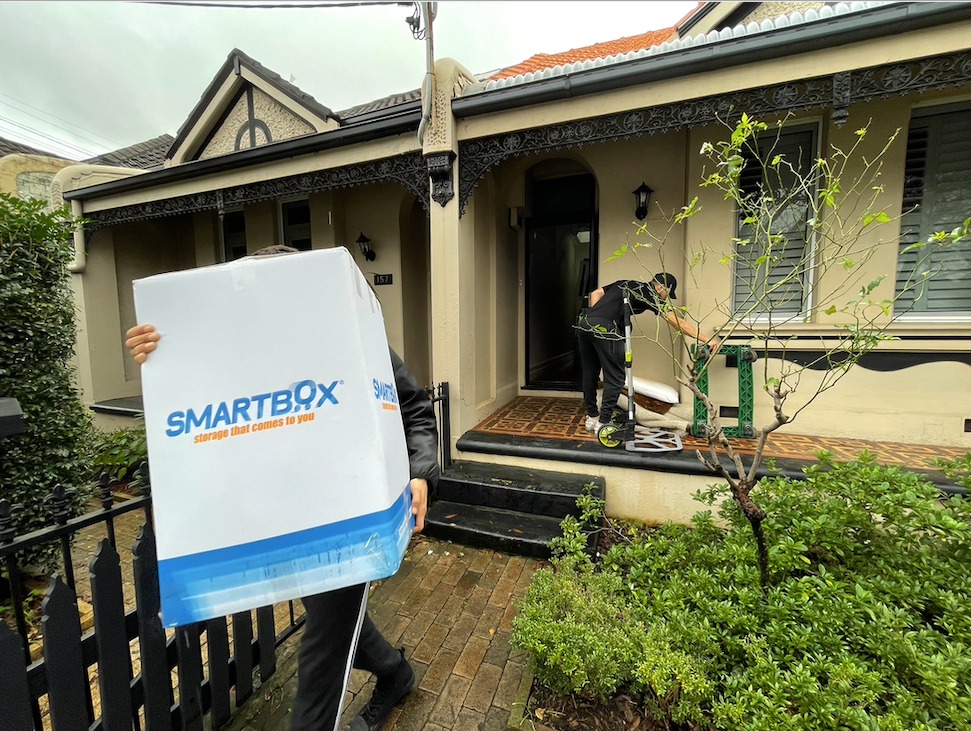
Choosing storage near Sydney is crucial for easy access. Particularly for students or busy professionals, having a nearby storage solution means you can quickly retrieve items when needed. One option that’s incredibly helpful is Smartbox. They offer mobile storage solutions throughout Sydney’s suburbs, perfect for busy lifestyles. Smartbox delivers the storage unit to your door, allowing you to pack at your own pace. When you’re ready, they pick it up and store it securely at their facility. This service provides both flexibility and convenience, ideal for those in transition or needing extra space close by.

Conclusion

Efficient seasonal storage is more than just a convenience—it’s a time-honoured practice that transforms your living experience. By keeping your space organised and your belongings protected, you can enjoy a clutter-free and harmonious home throughout the year. With smart packing techniques and the right storage solutions, everything you own remains readily accessible and well-preserved. Whether you’re a student, a young professional, or anyone looking to maximise your living space, mastering seasonal storage will significantly enhance your daily life. Embrace these strategies to create a more functional, stress-free, and enjoyable living environment.

FAQs

What are the options for seasonal clothing storage?

  • Vacuum-sealed bags, clear plastic bins with labels, under-bed storage containers, and climate-controlled storage units are great options for storing seasonal clothing.

What to do with lots of seasonal-need belongings?

  • Rent storage unit or use mobile storage units. Use organisational tools like shelving, clear bins, and inventory lists for easy access and management.

How to deal with seasonal clutter?

  • Declutter regularly, use storage solutions like bins and vacuum-sealed bags, and designate specific storage spaces. Regularly review stored items to maintain order.

What are some good storage options for seasonal decorations if your home has no storage closets or attic/basement space?

  • Use stackable plastic bins, overhead storage racks, and portable storage containers to keep seasonal decorations organised and protected.

What are the best ornament storage boxes for the holiday season?

  • Sturdy boxes with adjustable dividers, clear plastic bins with secure lids, and padded containers with individual compartments are ideal for protecting and organising ornaments.Seasonal Storage Solutions for Sydney Residents

    Understanding Storage Needs in Urban Australia

    In the busy urban areas of Australia, finding enough space has become a major challenge for many people. Did you know that the average apartment size in cities like Sydney has decreased by about 25% over the past two decades? As property prices continue to rise, more Australians are choosing to live in apartments or smaller homes, making effective storage solutions more important than ever. Limited space can feel overwhelming, especially for families and first-time renters who need to find ways to keep their homes organised. According to recent surveys, nearly 60% of urban dwellers report feeling stressed about clutter in their living spaces.

    This article explores the storage needs of city residents and offers practical tips and clever ideas to help maximise space. Whether you want to clear out clutter or make the most of your storage unit options, this guide will provide helpful insights to create a more organised and comfortable living environment.

    The Urban Storage Challenge

    • Space Constraints in Modern Living: As urbanisation accelerates, many Australians find themselves in homes that are increasingly compact. Smaller apartments and houses often leave little room for belongings, leading to clutter and disorganisation. According to recent studies, the average size of new homes in urban areas has decreased significantly over the years, prompting residents to rethink their storage strategies.
    • Consumerism and Clutter: In addition to space constraints, the culture of consumerism contributes significantly to storage challenges. The convenience of online shopping and the allure of new products can lead to an accumulation of items, many of which are rarely used. Consequently, urban dwellers face the daunting task of finding suitable storage solutions to manage their possessions while maintaining a tidy living environment.
    • Frequent Moves: The fast-paced nature of urban living also results in frequent relocations. Job changes, lifestyle shifts, and the pursuit of better living conditions often lead individuals and families to move from one property to another. Each move brings its own set of storage challenges, as residents must adapt to new spaces and find ways to store their belongings efficiently.

    Storage Solutions for Families

    • Tailored Storage for Different Family Stages: Families experience unique storage needs at various stages of life. For instance, young families may require space for toys, baby equipment, and clothing, while growing families might need to accommodate larger items and seasonal gear. Empty nesters, on the other hand, may be downsizing and need assistance in managing their remaining belongings. Smartbox provides tailored mobile storage solutions that cater specifically to families. By offering flexible and convenient options, Smartbox allows families to adapt their storage as their needs change, ensuring they can effectively manage their possessions at every life stage.
    • Balancing Functionality and Aesthetics: When choosing storage solutions, it is essential to balance functionality with aesthetics. Families can incorporate stylish storage options that blend seamlessly with their home décor while providing practical storage space. For example, decorative baskets can be used to organise toys, and shelving units can serve as both a display area and a storage solution.
    • Maximising Space in Small Homes: Maximising storage in small homes requires creativity and resourcefulness. Consider utilising under-bed storage boxes, wall-mounted shelves, and multifunctional furniture, such as ottomans with hidden compartments. Additionally, Smartbox’s mobile storage units offer a convenient solution for families with limited space, allowing them to store seasonal items or seldom-used belongings off-site while maintaining a clutter-free home.

    Choosing the Right Storage Unit

    • Factors to Consider: When selecting a storage unit, several factors come into play. Size, location, cost, security, and additional features are all important considerations. Urban dwellers should assess their specific storage needs to determine the right unit for their belongings.
    • Tips for First-Time Renters: For first-time renters, estimating rent storage needs can be daunting. Here are some tips to guide the decision-making process:
    1. Inventory Your Belongings: Take stock of what items will be stored and categorise them based on size and type.
    2. Consider Future Needs: Anticipate future storage requirements, such as seasonal items or the potential for additional belongings.
    3. Visit Facilities: Inspect potential storage facilities in person to gauge size, cleanliness, and overall security.
    • Cost-Effective Options: Storage can be expensive, especially in urban areas. To save money, consider renting during off-peak seasons when demand is lower, or look into shared storage options with friends or family. Smartbox offers transparent pricing with no hidden fees, making it easier for families to find affordable storage prices solutions tailored to their needs.
    • Tips for Choosing a Safe Storage Unit: Safety should be a top priority when selecting a storage unit. Here are essential tips to ensure your belongings are secure:
    1. Check Security Features: Look for facilities with CCTV, gated access, individual unit alarms, and on-site management.
    2. Read Reviews and Testimonials: Research online reviews and ask for recommendations to gauge the facility’s reputation.
    3. Visit the Facility: Inspect the facility in person to assess cleanliness, maintenance, and overall security measures.
    4. Ask About Insurance Options: Ensure that the facility offers insurance coverage for your stored items.
    5. Look for Access Control: Ensure that only authorised personnel can access the storage facility.

    DIY Storage Solutions

    • Creative Storage Ideas for Small Spaces: For those seeking cost-effective storage solutions, creativity is key. Consider these practical tips:
    1. Use Vertical Space: Install shelving units that reach the ceiling to maximise storage capacity.
    2. Repurpose Furniture: Utilise old furniture, such as trunks or cabinets, to store items while enhancing the décor.
    3. Create Nooks: Transform under-utilised spaces, such as hallways or corners, into storage nooks with shelves or cabinets.
    • Decluttering and Organising: Before implementing storage solutions, it’s essential to declutter and organise belongings. Regularly assess items and consider donating or discarding things no longer needed. This process not only frees up space but also simplifies the organisation of remaining belongings.
    • DIY Storage Projects: Engaging in DIY storage projects can yield customised solutions that fit personal needs. Simple ideas include building shelves, creating wall-mounted organisers, or upcycling furniture into functional storage pieces. Smartbox supports these efforts by offering mobile storage units that can be delivered to your home, allowing for easy access while decluttering and reorganising.

    Overcoming Storage Challenges in Urban Australia

    • Addressing Common Storage Pain Points: Urban dwellers often face specific storage pain points, such as seasonal item storage, bulky furniture, and document management. To tackle these challenges, consider these solutions:
    1. Seasonal Items: Store seasonal items in a Smartbox unit to keep them out of sight until needed.
    2. Bulky Furniture: Opt for multifunctional furniture pieces that serve dual purposes, such as a bed with storage drawers.
    3. Document Management: Use file boxes or digital storage solutions to keep important documents organised and easily accessible.
    • The Role of Technology: Technology plays a crucial role in modern storage management. Apps and online platforms can help individuals track their belongings and manage storage units efficiently. Smartbox’s online booking and management system simplify the process, allowing users to schedule pickups and deliveries with ease.
    • Sustainability in Storage: As environmental concerns continue to grow, many consumers are seeking sustainable storage options. Eco-friendly practices, such as recycling packing materials and choosing storage facilities with green initiatives, can minimise environmental impact. Smartbox’s mobile storage units promote sustainability by reducing the need for multiple trips, ultimately lowering carbon footprints.

    Conclusion

    Understanding people’s storage needs in Australian cities is crucial for creating tidy and practical living spaces. As cities grow and living spaces shrink, residents face the challenges of having limited space and dealing with the pressure to own more things. By finding storage solutions that fit their specific needs, people can keep their homes organized and free of clutter. Smartbox’s flexible storage options and creative DIY projects offer urban Australians many ways to improve their storage and make the most of their space. These strategies help transform homes into neat, efficient spaces, promoting a sense of calm and well-being in daily life. By using smart storage solutions, city dwellers can create homes that truly support their lifestyles, allowing them to enjoy life in the bustling cities they live in.

    A User’s Guide to the SmartBox Storage Space Calculator

    Have you ever stared at a pile of belongings, wondering what size storage unit you need? Been there, done that! I recently tackled a big decluttering project. Let’s say I had a lot of stuff to sort through, and finding the right storage solution was crucial.

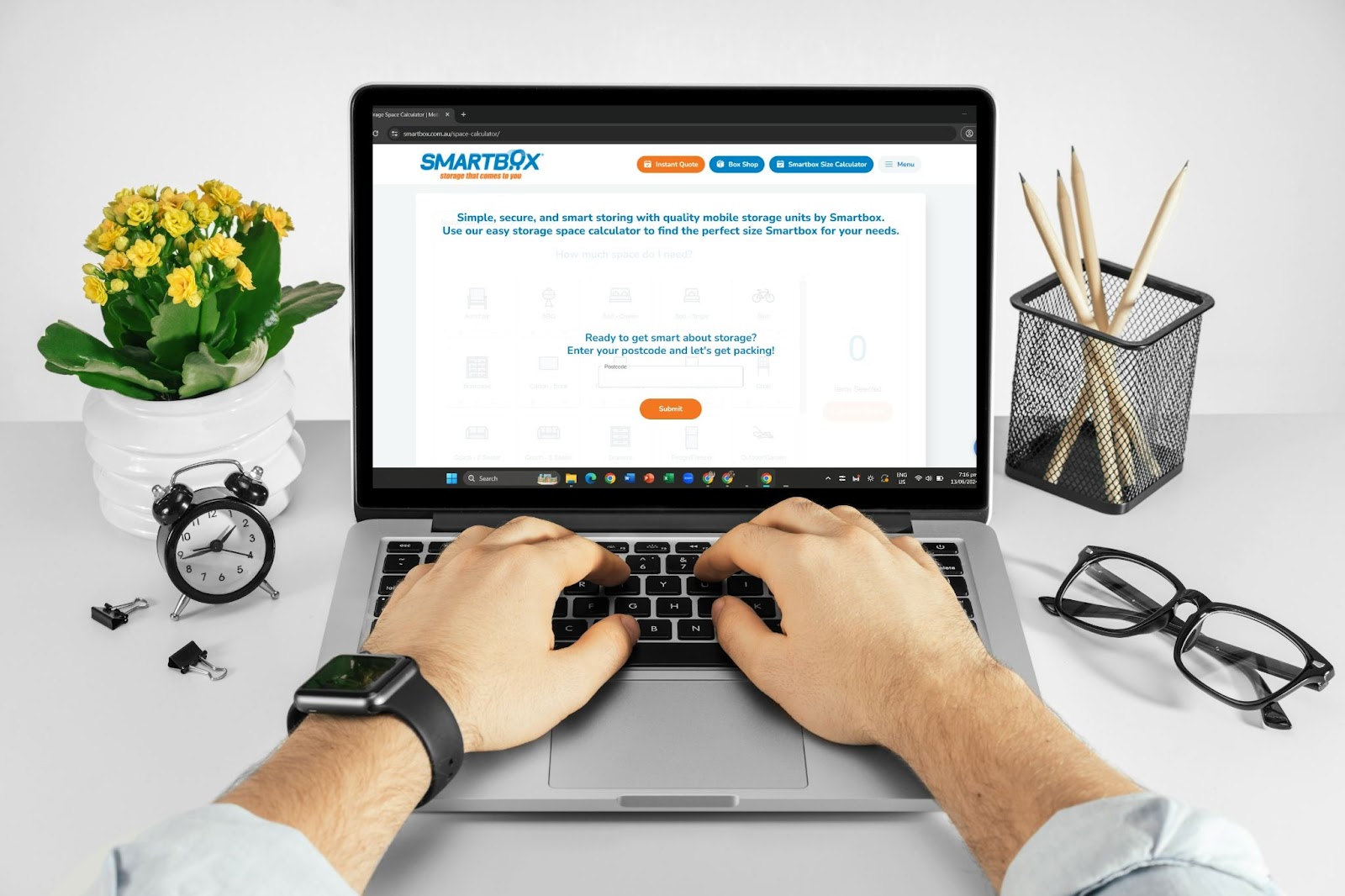
    Decluttering can be overwhelming, but the Smartbox storage unit space calculator saved the day! It helped me find the perfect storage size for all my stuff, saving me time, money, and stress. In this guide, I’ll share my experience using the calculator and give you a step-by-step breakdown of how it works.

    Choosing the Perfect Storage Unit

    Finding the right storage unit size is like finding the perfect pair of shoes—it just has to fit! A unit that’s too small can lead to frustration, like trying to cram everything into a box that’s overflowing. On the other hand, a unit that’s too big means you’re paying for wasted space. The SmartBox storage space calculator helps you avoid both of these pitfalls.

    Step-by-Step Guide Using the SmartBox Storage Space Calculator

    The beauty of the SmartBox space calculator is its simplicity. Here’s a quick walkthrough to get you started:

    PostCode: Entering your postcode at the start can show an estimated delivery fee, but it’s not always needed for space estimation.

    Tell Them What You Have: Choose categories for your belongings (clothes, furniture, boxes, etc.) from the list.

    Estimate Quantities: Be as accurate as possible when entering the number of items in each category. This helps the calculator recommend the best size.

    Click and Calculate: Once you’ve chosen categories and entered quantities, click “Calculate”.

    Your Perfect Fit: The website will recommend a storage box in the calculator based on your selections. You might also see pricing for different storage sizes in the calculator. You can also check out their calculator box for a more accurate storage box solution. This is a great starting point!

    Storage Duration: Smartbox storage space calculator will ask how long you plan to store your belongings. This may be used for pricing based on rental periods.

    Delivery Details: Once you’re happy with the size, the website will likely ask for your delivery postcode to determine the fee and schedule pick-up or drop-off.

    Pricing Breakdown: Before booking, you’ll see a clear breakdown of costs, including monthly storage fees, delivery fees based on your postcode, optional warranty fees (if chosen), and any additional services.

    Booking Your Storage: Once you’ve reviewed everything, you can finalise your booking and pay online following the website’s instructions.

    My Experience Using the SmartBox Space Calculator

    In my case, I was decluttering a lot of clothes, books, and some old furniture. Using the calculator, I categorised everything and entered estimated quantities. To my surprise, the calculator recommended a smaller unit than I initially thought I might need. This was a huge relief! It meant I wouldn’t be paying for extra space I didn’t need.

    Additional Tips for Using the SmartBox Storage Space Calculator

    Here are some additional tips that may help you in using SmartBox storage space calculator:

    Accuracy is Key

    The more accurate you are with your quantities and sizes, the better the recommendation from the calculator will be. Take some time to think about how many items you have in each category. For furniture, try to estimate the dimensions (length, width, and height) if possible.

    Check the SmartBox Website

    While this guide gives you a general overview, the SmartBox website might have additional information or FAQs about their calculator. It’s always a good idea to check for any specific instructions. Don’t be shy! If you’re unsure about the recommended size or have any questions, don’t hesitate to contact SmartBox customer support. They’re there to help!

    Finding the Perfect Storage Solution

    Once you’ve used the SmartBox space calculator and have a recommended size in mind, you can explore SmartBox’s website to learn more about its storage facilities, pricing, and booking process. The calculator is a great first step to finding the perfect storage solution for your needs.

    The Benefits of Using the SmartBox Calculator

    There are several benefits to using the SmartBox online storage calculator:

    Saves Time: Skip the guesswork and frustration of trying to figure out what size storage unit you need on your own. The calculator can do the heavy lifting for you in just a few minutes.

    Saves Money: By getting a recommended size that accurately reflects your needs, you’ll avoid renting a unit that’s too big and costing yourself extra money.

    Reduces Stress: Knowing you have the right size storage unit can take a big weight off your shoulders. The calculator helps you avoid the stress of wondering if everything will fit or if you’ve rented more space than you need.

    Easy to Use: The SmartBox calculator is user-friendly and straightforward. Even if you’re not familiar with storage units, you can easily navigate the process.

    Additional Considerations

    While the SmartBox calculator is a fantastic tool for estimating storage unit size, there are a few other things to keep in mind when choosing a storage solution:

    Access Needs: Consider how often you’ll need to access your belongings. SmartBox offers various access options to suit your needs.

    Security: Make sure the storage facility offers security features like surveillance cameras and gated access to give you peace of mind.

    Climate Control (Optional): If you’re storing sensitive items like electronics or artwork, you might want to consider a climate-controlled unit.

    Moving Services: Does the storage facility offer any moving services, such as pick-up and drop-off? This can be a convenient option, especially if you have a lot of belongings to move.

    Conclusion

    The SmartBox online storage calculator is a valuable online tool that can simplify the process of finding the right storage unit size. By following these steps and considering your additional needs, you can find the perfect storage solution for your belongings, saving you time, money, and stress.

    FAQS

    Do I need to enter my postcode right away?

    Yes. Entering your postcode can estimate delivery fees, but it’s not required for initial space estimation.

    What categories of belongings can I select?

    The calculator typically offers categories like clothes, furniture, boxes, and appliances.

    How accurate should my quantity estimates be?

    Accuracy is key! The more accurate you are, the better the size recommendation will be. Estimate the number of items in each category and the furniture dimensions (if possible).

    Does the calculator ask for storage duration?

    Yes. It may be used for pricing based on rental periods later.

    When will I be asked for my delivery postcode?

    You’ll be asked for your delivery postcode in the first step of the Smartbox space calculator. This helps them estimate delivery fees and potentially other location-based costs.

    Where can I see a breakdown of the costs?

    Before booking, you’ll see a detailed breakdown, including monthly storage fees, delivery fees (based on your postcode), optional warranty fees (if chosen), and any additional services.

    What if I’m unsure about the recommended size?

    Don’t hesitate to contact SmartBox customer support! They’re happy to help with any questions you may have.

    Be Prepared: How Self-Storage Can Aid Disaster Readiness for North-East Melbourne Residents

    bunch of boxes in a room

    North East Melbourne is a beautiful and vibrant part of Australia, but it’s also a region susceptible to natural disasters. Floods, bushfires, and severe storms can cause significant damage to property and infrastructure and disrupt lives for weeks or even months. While we can’t control these events, we can take steps to be prepared for them.

    Unfortunately, limited space in our homes often makes disaster preparedness a challenge. Storing bulky emergency supplies like water, generators, and first-aid kits can be difficult. Finding a safe and secure place for important documents and valuables can be even harder. This is where self-storage in North East Melbourne can become a valuable tool to help residents be better prepared for any emergency.

    The Challenges of Disaster Preparedness in North-East Melbourne

    Many North East Melbourne residents face unique challenges when it comes to disaster preparedness due to limited space in their homes and a lack of suitable storage options within their dwellings. Here are some specific examples:

    • Apartment living: Although they often provide little storage space, apartments are a common type of accommodation in North East Melbourne. This might make it challenging to gather necessary emergency supplies, like non-perishable food, bottled water, first aid kits, and sanitary products. Larger emergency supplies like generators, collapsible picnic tables, chairs, or portable grills may be difficult for residents to store. Although several apartment complexes would have a restricted number of storage cages or lockers in their garages or basements, these areas could be small and difficult to get into, particularly in an emergency. Apartment residents have access to a larger and more convenient option for storing their emergency supplies and gear: self-storage facilities.
    • Limited storage in houses: Even some houses in North East Melbourne may not have ample storage space. Many homes lack dedicated storage rooms or large basements, and garages may be filled with vehicles or other belongings. This leaves limited space for stockpiling emergency supplies or storing bulky items like fire extinguishers, sandbags, or rolls of heavy-duty plastic sheeting.
    • Accessibility issues: Some homeowners may rely on basements, attics, or garages to store belongings. However, these spaces can be readily accessible during an emergency. Flooding can cut off access to basements, while attics with pull-down stairs may be difficult to navigate in a hurry or after dark. Similarly, fires or debris may block access to garages. Storing essential supplies in a readily accessible location is crucial for a quick response during a disaster.
    1. Inaccessible storage: Some homeowners may rely on basements, attics, or garages to store belongings. However, these spaces may not be readily accessible during an emergency due to flooding, fire, or debris.
    2. Protecting valuables: Important documents (e.g., passports, wills) and precious keepsakes (e.g., jewellery, heirlooms) need a safe and secure location during a disaster. Standard home storage may not offer adequate protection from fire, water damage, or theft.
    man securing the box

    How Self-storage Units Can Help North East Melbourne Residents Be Disaster Ready

    Benefits: 

    • Frees up space at home for essentials: this keeps essentials like water, food, and first-aid kits close by without cluttering your home.
    • Protects valuables from damage and theft: offers secure, climate-controlled units that safeguard important documents and irreplaceable belongings from fire, water, and theft.
    • Offers convenient access to stored items during an evacuation. These units near home allow quick retrieval of supplies during emergencies.

    Types of units suitable for disaster preparedness:

    • Climate-controlled storage facilities are necessary to protect temperature-sensitive goods from being harmed by excessive heat or cold. Items such as medical supplies, technology, pictures, and critical papers can fall into this category. Climate-controlled units shield your possessions from warping, breaking, or the growth of mould by helping to maintain a constant temperature and humidity level.
    • Drive-up units: These units make it easy to load and unload heavy items by allowing you to pull your car right up to the entrance. Larger things that are frequently used in disaster preparation, including generators, coolers, tarps, plywood boards, sandbags, or foldable furniture, are best stored in this way. For greater amounts of bottled water, canned food, or other emergency supplies, drive-up machines can be a suitable choice.

    Finding the Right Self-Storage Facility in North East Melbourne

    • Location: Look for facilities close to home for easy access. Proximity is crucial, especially during emergencies when time is of the essence. Having a storage unit nearby ensures you can quickly reach your supplies when needed.
    • Security: Choose a facility with 24/7 security features such as alarms and cameras. These measures help protect your valuables from theft and damage. Knowing your items are secure provides peace of mind during a disaster.
    • Unit Size: Select a unit that comfortably fits your disaster preparedness needs. Consider the volume of items you need to store, including emergency supplies and valuables. A well-sized unit allows for easy organisation and access to your essentials.
    • Accessibility: Ensure the facility offers convenient access during emergencies with flexible hours. The ability to reach your unit at any time is crucial for effective disaster response. Check if the facility can accommodate special access needs during crises.

    Extra Strategies for Maximising Self-Storage for Disaster Preparedness

    Natural disasters are a threat in North East Melbourne, and limited home space can hinder preparedness. Secure storage can be a valuable asset, but organisation is key. For a swift response, clearly label stored items. Use durable labels with specific names, like “First-Aid Kit” or “Canned Food.” This saves time in an emergency. Secondly, rotate perishable supplies like water and food. Regularly check expiration dates and replace outdated items to ensure they’re usable when needed. Finally, maintain an inventory list for organisation and insurance purposes. A detailed list helps track belongings and simplifies filing claims in case of disaster. By following these steps, your storage unit becomes a well-equipped disaster preparedness zone, ready to provide the resources you need when disaster strikes.

    Conclusion

    Disaster preparedness is essential for ensuring the safety and resilience of North East Melbourne residents, and this proves to be a valuable tool in this effort. Utilising self-storage for safeguarding vital documents, valuables, and emergency supplies provides significant peace of mind, knowing that your essentials are secure and accessible in times of crisis. We encourage all residents to explore local unit options to enhance their disaster readiness and protect their families and belongings. Taking proactive steps now can make a substantial difference when it matters most.