The Mobile Key to a New Beginning

Imagine standing on the brink of something monumental, where each heartbeat resonates with the pulse of victory. My journey from a child with a fear of water to an Olympic champion is not just a tale of medals won but of fears conquered, challenges embraced, and the constant push beyond what seemed possible.

Now, as I navigate life in South Yarra, Melbourne, with a home overflowing with memorabilia from years of competition, I find myself at a crossroads. The thrill of the race, the roar of the crowd—it’s all exhilarating, but what happens when the noise fades and you’re left with the weight of your past achievements? My journey with renting mobile storage didn’t just clear space in my home; it cleared a path to a future I’m ready to embrace. Join me as I dive into how organising my life became the key to unlocking the next chapter of my legacy.

Reminiscing About the Journey

Before the world knew my name, before Olympic gold and record-breaking swims, my story began not with dreams of glory but with deep-seated anxiety. I remember it vividly—ten years old, standing at the edge of the local pool, my toes curling over the cold tile. The smell of chlorine hung in the air, thick and overwhelming, as the sound of splashing water echoed around me. My heart pounded in my chest, not just from the thought of diving into the water but from the fear of failing in front of everyone.

Each lesson felt like a battle. I would freeze at the edge of the pool, watching other kids effortlessly dive in while I stood paralysed by fear. One day, I saw my coach’s reflection in the water, her eyes full of patience but also a quiet insistence that I could do it. With trembling hands, I took a deep breath and slipped into the water. My small frame struggled to find rhythm, every stroke feeling like a battle against the unknown. But then something shifted. I managed to float, to kick, and to propel myself forward. Completing that first lap without panicking was a small victory that felt monumental.

The real turning point, however, came during a local swimming event where I met my idol, Grant Hackett. I still remember the moment—his hand reaching out to shake mine, his encouraging words lingering long after the event ended. That brief encounter ignited something within me. The fear that had once held me back began to fuel my determination. I wanted to follow in his footsteps, to stand on the Olympic podium, not just as a swimmer but as someone who had conquered their deepest fears.

My life quickly became centred around the pool. Early mornings, late nights—I was relentless in my pursuit of perfection. Under the guidance of my coach at Melbourne Vicentre Swimming Club, my potential began to flourish. I still recall the exhilaration of breaking my first Australian age record at 13, the rush of adrenaline as I touched the wall and saw my time flash on the board. It was a sign that the hard work was paying off, and with it came a surge of motivation that pushed me even harder.

The Weight of Success

As my career took off, so did the collection of awards, equipment, and memorabilia. My home, once a sanctuary, became overwhelmed with the tangible reminders of my journey—medals, trophies, plaques, and gear from countless competitions. Each item told a story; each piece held immense sentimental value, but the clutter was becoming unbearable.

I remember one evening in particular. I had just returned from a gruelling competition in Europe, exhausted and craving the comfort of home. But as I stepped inside, I was greeted not by peace but by chaos. Boxes and bags were stacked in every corner; my gear from the latest competition was still unpacked. I needed to find my favourite training journal, but the living room was a maze of trophies and plaques. I rifled through the piles, frustration mounting as each item seemed to mock me with its presence. I was surrounded by my successes, yet I felt suffocated by them.

The life of an elite athlete is one of constant motion. Training camps, international competitions, media commitments, and now, pursuing studies in business and architecture. My home, meant to be a retreat, was instead a source of stress. Despite my best efforts to organise, there was simply too much. My bedroom had become a makeshift storage room, and my garage was filled to the brim with old training equipment and memorabilia. It was clear something had to change.

The Search for a Solution

Desperate to reclaim my space and sanity, I began exploring storage options. Traditional units felt impersonal and inconvenient. The thought of driving to a storage facility, especially after a long trip, didn’t appeal to me. I needed something that fit my busy schedule, something that allowed me to keep my memories without them overwhelming my present.

That’s when I stumbled upon mobile storage. The concept intrigued me—storage that comes to you, allowing you to load and organise at your own pace. The more I learned, the more it seemed like the perfect solution. Flexible, secure, and convenient, it offered everything I needed. I began searching for a mobile storage facility near me, and that’s when I found a reputable mobile storage solution in South Yarra, offering climate-controlled units to preserve my equipment and memorabilia in optimal conditions.

I’ll never forget the day the mobile storage container arrived. The sight of it was like a promise—a promise of a decluttered home and a clearer mind. Over the weekend, I carefully packed away the items that had overtaken my space. Each medal, each piece of gear, was carefully wrapped and placed in the unit. As I packed, I couldn’t help but reflect on the journey each item represented—the countless hours of training, the victories, the challenges. It was a cathartic experience, a way of honouring my past while making room for my future.

Embracing the Future

With everything packed and the unit securely stored away, I felt an immense sense of relief. My home was transformed. The once-crowded rooms were now open and peaceful, providing the perfect environment to focus on my studies and prepare for upcoming competitions. The mobile storage solution offered the best of both worlds—preserving my past achievements while making space for new pursuits.

In the months that followed, I continued to compete at an international level, but something had shifted. Returning home to a space that was truly mine—a space that was calm, organised, and reflective—was a revelation. The mobile storage unit became an essential part of my life, helping me balance a successful career with personal well-being. It wasn’t just about physical space; it was about mental clarity, the ability to focus on what really mattered.

A New Chapter

As my career evolved, so did my life outside the pool. My studies in business and architecture began to take on greater importance, and I found myself thinking more about what lay beyond my athletic career. The decision to use a mobile storage facility was more than just a practical move; it was symbolic of my readiness to embrace the next chapter of my life.

The clutter of my past victories, though cherished, no longer needed to dominate my present. With my home now a place of calm and focus, I was able to dedicate more time to my studies and to exploring new opportunities. While my swimming career was far from over, I knew I had the freedom to explore other passions without being weighed down by the physical reminders of my past.

Navigating New Possibilities

With my newfound clarity and organised living space, I began to explore interests that had long been on the back burner. The business and architecture courses I had enrolled in became more than just a distraction from the pool; they became a gateway to a future where I could merge my passion for sports with a broader vision for the community.

I found myself sketching designs for sports facilities, imagining spaces where young athletes could train, learn, and grow in an environment that fostered both athletic excellence and personal development. The mobile storage solution had done more than clear physical space in my home; it had cleared mental space, allowing me to think creatively and ambitiously about the impact I wanted to have beyond the pool.

Reconnecting with the Past

Despite my focus on the future, the memories of my swimming career remained close to my heart. On occasion, I would request the return of my mobile storage unit, spending afternoons going through memorabilia and reliving the highs and lows of my journey. These moments of reflection weren’t just nostalgic; they were vital. They reminded me of the perseverance and dedication that had brought me to where I was.

One day, as I unpacked a box of old training gear, I found a pair of swim trunks from my first international competition. Holding them, I was instantly transported back to that pivotal moment—the nerves, the excitement, and the pride of representing my country for the first time. It was a powerful reminder of how far I’ve come and how much more I still want to achieve. The memories, while precious, were no longer overwhelming my daily life; instead, they were a source of motivation and inspiration.

Balancing Legacy and Progress

As I continued to build my career beyond swimming, I became increasingly aware of the need to balance my legacy with my progress. The mobile storage unit had become a metaphor for this balance—preserving the past while making space for the future. I realised I could honour my achievements without being defined by them, allowing myself to grow and evolve in new directions.

This balance also influenced my approach to mentoring younger athletes. I began taking a more active role in the swimming community, sharing my experiences with the next generation. My home, now free from clutter, became a place where I could host gatherings with young swimmers, offering advice and support as they navigated their journeys. It was fulfilling to see them inspired and motivated, knowing that my experiences could help guide them.

Reflections on the Journey

As I sit in my tranquil home today, I reflect on the journey that has brought me here. From the little girl terrified of water to an Olympic champion, and now, to someone exploring new horizons, every step has been marked by growth and transformation. The decision to use a mobile storage facility was just one part of that journey, but it was crucial one. It allowed me to declutter not just my home but my mind, giving me the freedom to pursue new dreams while staying connected to my roots.

In many ways, the mobile storage unit has become a part of my story—a story of overcoming fear, embracing change, and moving forward with confidence. As I continue to navigate the complexities of life after elite sports, I know that the lessons I’ve learned, both in and out of the pool, will guide me towards a future that is as fulfilling as my past.

The Lasting Impact of Mobile Storage Units in Melbourne

Mobile storage has done more than clear space in my home; it has cleared a path to a new beginning. It allowed me to navigate the delicate balance between honouring my past and embracing my future, enabling me to grow and evolve as a person and an athlete. The freedom to organise my life, both physically and mentally, has been transformative, and I am excited to see where this newfound clarity will take me next.

As I continue to explore new opportunities and challenges, I know that the lessons I’ve learned will always guide me. The clutter of the past, though cherished, no longer needs to dominate my present. I’m ready to move forward, confident in the knowledge that I can create a future that is as remarkable as the journey that brought me here.
A Mobile Container of Creativity

I’ve always been a bit of a dreamer, but not the kind who just sits and imagines. No, I’m the kind who dreams with my hands, crafting, building, and sometimes failing spectacularly. My name is Ellie, and for as long as I can remember, I’ve been creating things. My attic, nestled in the heart of Inner City, Melbourne, has been my sanctuary—a place where ideas come to life amidst the clutter of blueprints, tools, and dust-covered prototypes.

Living in Melbourne, a city known for its vibrant arts scene and innovative spirit, has always fueled my creativity. The bustling streets, the blend of old and new architecture, and the endless array of cafés where you can overhear conversations about everything from politics to philosophy—it’s a city that never stops inspiring. But for me, it’s not about fame or fortune; it’s about curiosity and solving problems that others haven’t even thought of. My workspace, which was chaotic to anyone else, was where I could be myself, where every failure was just another lesson learned. 

The First Prototype – The Portable Water Purifier

One of my early breakthroughs was a portable water purifier. I designed it to be compact enough to fit in a backpack yet powerful enough to purify any water source. With the increasing scarcity of clean water in remote areas, I envisioned a device that could provide safe drinking water anywhere.

The first prototype, however, was a clunky, unreliable machine. It clogged after a few uses, the filtration system failed, and the battery life was awful. But I wasn’t discouraged. I meticulously documented every failure and every flaw, determined to make it better. Over the months, I iterated on the design, making it more efficient, more compact, and more reliable.

By the time I reached my tenth version, the purifier had transformed into a sleek, cylindrical device, no larger than a thermos. It worked flawlessly, turning even the murkiest water into crystal-clear refreshment. I felt a sense of accomplishment as I watched the water flow through the purifier, clean and pure. But even then, I knew I wasn’t satisfied. There was always room for improvement.

My friends in Melbourne were some of the first to see the purifier in action. We would meet at my favourite café on Degraves Street, where I’d demonstrate the purifier’s capabilities. Their enthusiasm was contagious, but their encouragement didn’t blind me to the purifier’s flaws. I kept refining it, knowing that somewhere, someone would need it.

The Drone of Tomorrow

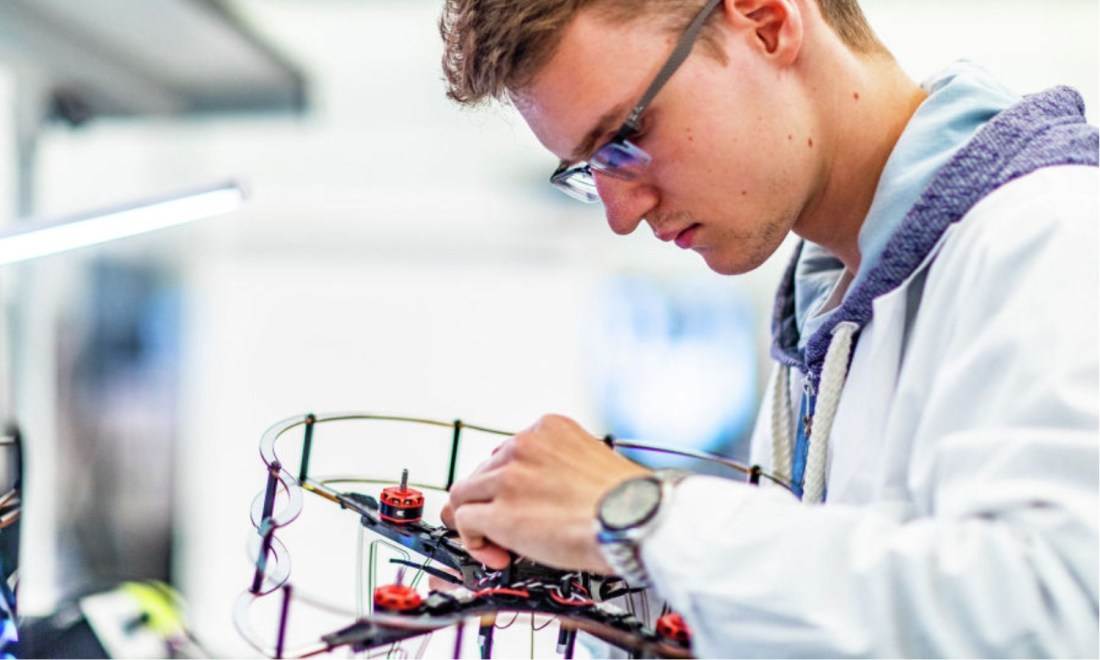
As drones became popular, I saw potential far beyond simple aerial photography. My next project was an autonomous drone capable of delivering medical supplies to remote or disaster-stricken areas.  I imagined it navigating through forests, scaling mountains, and landing with pinpoint accuracy in areas inaccessible by road.

The first prototype, however, was a disaster. It struggled with navigation, often crashing into trees or veering off course. The payload capacity was too small, the battery life was too short, and the control system was overly complex. Yet, I persisted.

The streets of Melbourne, with their narrow lanes and unexpected turns, became my testing ground. I would often find myself in the city’s many parks, adjusting the drone’s flight path as it tried to navigate around trees and buildings. Passersby would stop to watch, some offering advice, others just curious about what I was doing.

Version after version, I refined the design. I upgraded the sensors, improved the algorithms, and tested the drone in various environments. Eventually, it could fly autonomously across long distances, delivering vital supplies with precision. But still, I wasn’t satisfied. The prototype sat in my attic, surrounded by the ghosts of its previous iterations, waiting for the next round of improvements.

The Smart Prosthetic Limb

My most ambitious project was born from a chance encounter with a war veteran who had lost his leg. His struggle with his prosthetic limb left a deep impact on me, driving me to create a smart prosthetic that could adapt to the user’s movement, providing a more natural walking experience.

The first prototype was a mechanical marvel but lacked the intuitive response I envisioned. The sensors were too slow, the motors too noisy, and the overall experience was far from natural. I knew I was onto something groundbreaking, but I needed to refine it further.

Months turned into years as I worked tirelessly on my prototypes. I experimented with different materials, integrated advanced AI algorithms, and even collaborated with medical professionals to ensure the limb was as functional as possible. Each iteration brought me closer to my goal, but the pile of discarded prototypes grew taller, occupying every corner of my attic.

Living in Melbourne made collaboration easier. The city’s universities and research institutions were just a tram ride away, and I often found myself in meetings with professors and doctors, discussing the latest advancements in prosthetics. Their input was invaluable, and each conversation pushed my project forward.

The Need for Space

My relentless pursuit of perfection came at a cost. My attic was overflowing with prototypes—each one a testament to my failures and successes. It became nearly impossible to work; there was simply no space left.

One day, while brainstorming my next invention, I stumbled upon a forum discussing mobile storage containers as an ideal storage solution for inventions. Participants praised the convenience and affordability of mobile storage solutions in Melbourne, highlighting that they were cheaper than renting a traditional storage unit. Intrigued, I began to consider this option more seriously.

At first, I was hesitant. These prototypes were more than just failed attempts; they were part of my journey, and I didn’t want to part with them. But as the clutter began to stifle my creativity, I realised that storing these prototypes in a safe, accessible place would allow me to continue my work without distraction.

I researched mobile storage facilities across Melbourne and finally settled on one that offered climate-controlled units—a must for my delicate electronics and materials. I rented a large unit that could accommodate not only my existing prototypes but also the ones I had yet to create.

Before finalising my decision, I called the chosen storage provider in Melbourne. They mentioned a free home assessment, which piqued my interest. I scheduled the assessment, and on the appointed day, a representative came to my home to measure the exact mobile storage box and mobile storage container that I would need. Being the meticulous inventor I am, I asked for a price match offer since I had already contacted another storage provider before them, ensuring I secured the best deal possible.

With everything in place, I packed up my earlier versions of the water purifier, the drone, and the smart prosthetic limb, among others. Each prototype was carefully labelled, noting the version number and the key lessons learned from its development. Now, with my attic cleared and my prototypes securely stored, I could continue my work with renewed focus and creativity.

The Final Prototype?

With my attic cleared, I found myself working with renewed vigour. My latest project, a solar-powered desalination unit for coastal communities, was progressing faster than any of my previous inventions. The lessons learned from my earlier prototypes fueled my progress, each failure guiding me towards success.

The new space in my attic allowed me to spread out my work, laying out components and blueprints in a way that made sense to me. The light from the skylight would flood the room, making it the perfect place to work during the day. Melbourne’s unpredictable weather was less of an issue now that I had more room to organise and protect my materials.

But I knew better than to call it the final version. As I packed away yet another round of prototypes into my mobile storage unit, I smiled. Each of these prototypes, no matter how flawed, was a step closer to perfection. And in the world of invention, perfection was an ever-moving target.

Conclusion

Years later, when my inventions had become widely recognised and celebrated, people often asked me how I managed to stay motivated through so many failures. I would simply point to my mobile storage unit picture from my phone, now filled with hundreds of prototypes, and say, “These aren’t failures—they’re the stepping stones to success.”

My story became an inspiration for many aspiring inventors. My attic, once overflowing with prototypes, was now a tidy workshop where new ideas came to life. And my mobile storage unit? It stood as a testament to the relentless pursuit of perfection, a quiet reminder that every failed attempt is just another step on the path to greatness.

Melbourne remained my home, its vibrant energy a constant source of inspiration. Whether I was walking along the Yarra River, sipping coffee at a hidden laneway café, or exploring the city’s many art galleries, I knew that this city, with all its creativity and innovation, was the perfect backdrop for my journey as an inventor. And as I continued to dream with my hands, I knew that the possibilities were endless.

FAQS

What inspired you to start using mobile self-storage for your prototypes?

I found that my attic was becoming too cluttered with all my prototypes, making it difficult to focus and work on new ideas. Realising I needed more space, I decided to use Australian mobile storage in Melbourne to safely store my earlier versions. This allowed me to free up my workspace while keeping all my inventions accessible whenever I needed them.

How did mobile self-storage help you in your inventive process?

By using mobile self-storage near me, I was able to clear out my attic, which gave me the space and mental clarity to focus on my new projects. Storing my prototypes in a secure, climate-controlled unit meant I could continue working without worrying about damaging my past creations, which were crucial for learning and improving my designs.

Why did you choose a mobile storage facility in Australia?

I chose Australian mobile storage because it offered the perfect solution for my needs. The facility provided climate-controlled units, which were essential for protecting the delicate electronics and materials in my prototypes. Additionally, the convenience of having mobile self-storage near me meant I could easily access my work whenever I needed to make improvements or review past designs.

What kind of projects did you store in your mobile storage?

I stored several of my key inventions, including the portable water purifier, the autonomous drone, and the smart prosthetic limb, in Australian mobile storage. Each of these projects represented countless hours of work and numerous iterations, and having them safely stored allowed me to keep moving forward with new ideas without losing any valuable insights from my past efforts.

How did mobile storage in Melbourne contribute to your success?

Utilising mobile storage was a game-changer for me. It provided the space I needed to stay organised and focused, which in turn allowed me to refine my inventions and ultimately achieve success. The ability to safely store my prototypes without cluttering my workspace meant that I could keep innovating without the distraction of a chaotic environment, helping me stay motivated and productive.

A Mobile Collection of Historical Treasures

Hey there, it’s Evie! Not my real name. I’m a 28-year-old history teacher living in Eastern Melbourne, and I’ve always been passionate about art. But honestly, my life took an unexpected twist a few years ago when a family secret popped up. I’ve always thought of my home in Southern Melbourne as just a cosy little place, nothing more. But back in 2017, I discovered it was way more—a gateway to a rich legacy I had no clue about. This revelation didn’t just change my understanding of my family’s history; it also put me on a mission to preserve a pretty remarkable piece of Melbourne’s past.

The Day My World Changed

Let me take you back to that life-changing moment. My grandmother, who had always been the quiet matriarch of our family, was on her deathbed. It was a tough time, but in those final moments, she handed me something that would change my life—a crumpled piece of paper. Her hands were frail but steady as she passed it to me, and I could tell this was something important, something precious.

The paper had an address on it, along with a note about the caretaker of my great-great-grandfather’s antique clocks. Now, I’m a history teacher, but even I had no idea that my great-great-grandfather was a renowned clockmaker from the late 1800s! I mean, how could I have missed that? My mind was racing with questions. Why had no one ever told me about this before? And what kind of state were these clocks in?

The Search Begins

Determined to learn more, I decided to visit the address my grandmother had given me. It led me to an old warehouse on the outskirts of Melbourne. Honestly, the place was a bit of a shock. The building looked like something out of an old movie—a weathered relic with brick walls that had seen better days and windows so dirty you could barely see through them. As I stepped inside, the musty smell of dust hit me, mixed with the faint scent of varnish. The place was dimly lit, with rays of sunlight struggling to break through the cracks in the old walls.

I was greeted by the caretaker, an elderly gentleman with a kind face. He seemed to know exactly why I was there. Without much ado, he led me through a maze of shelves and boxes where the clocks were stored. What I saw left me heartbroken. Hundreds of clocks lined the shelves, some covered in layers of dust and cobwebs. These weren’t just any clocks; they were historical artefacts, each with its own story to tell. But the conditions they were in? Far from ideal.

The Clocks and the Challenges

The warehouse was nowhere near the kind of environment these delicate timepieces needed. The fluctuating temperatures and lack of humidity control were a real threat to their preservation. It hit me hard—if I didn’t act quickly, these precious pieces of history might deteriorate beyond repair. And that wasn’t something I was willing to let happen.

So, I decided it was time to find a storage solution. I dove into research, scouring Melbourne for mobile storage in Richmond that could offer the climate control and security these antique clocks desperately needed. I’ll admit, it was a bit of a learning curve. I’d never had to think about things like humidity control or temperature regulation before. But I was determined to find a solution.

Finding the Perfect Storage Solution

After sifting through countless options, I finally found a mobile storage facility in Melbourne that seemed perfect. They offered climate-controlled units specifically designed to protect sensitive items like the clocks from extreme temperatures and humidity. Plus, they had a price-match guarantee and even offered a free home assessment. That was incredibly reassuring.

But what really sealed the deal for me was their mobile storage trailer service. They could deliver the mobile storage container right to my doorstep! This made the whole process of moving the clocks so much easier and less stressful, which was a huge relief given how delicate these items were.

The Emotional Packing Process

Now came the hard part—packing up the clocks. It wasn’t just a physical task; it was an emotional one too. Each piece needed to be carefully wrapped to prevent any damage during the move. I spent hours meticulously wrapping each clock in bubble wrap, using acid-free paper and sturdy boxes to ensure they were protected.

As I packed, I couldn’t help but feel a deep connection to my great-great-grandfather. Each timepiece I handled was a link to the past—a tangible reminder of the life and work of a man I’d never met but suddenly felt so close to. Among the clocks, I found a treasure trove of letters and documents. One letter, written in elegant, flowing script, described his journey from England to Melbourne during the gold rush era. He spoke of his dreams and hopes for a new life in Australia and his determination to make a mark in his craft. Another document detailed his innovations in clockmaking, including intricate mechanisms that were ahead of their time.

These discoveries gave me a window into the past, letting me connect more deeply with my ancestors’s legacy. Each piece of paper and every clock told a story of ingenuity and perseverance. It was clear that preserving these artefacts was about more than just protecting objects; it was about honouring a significant chapter of our family’s history.

The Move to the New Storage Facility

Once the clocks were packed up, the mobile storage facility’s team arrived to help with the move. They were incredibly professional and took great care in handling the clocks. Watching them load the storage container onto the trailer, I felt a mix of anxiety and relief. These timepieces represented my family’s legacy, and I couldn’t afford to lose them.

When the clocks were finally transported to the mobile storage facility, I felt a huge weight lift off my shoulders. The climate-controlled environment ensured that the timepieces were shielded from environmental fluctuations that could cause damage. The facility’s advanced security measures provided peace of mind, knowing that my family’s heritage was being well protected.

The mobile storage facility also offered a level of flexibility that was invaluable. I could access the storage unit as needed, allowing me to visit and check on the collection regularly. The staff at the facility were always accommodating and knowledgeable, providing updates and answering any questions I had. Their professionalism made the entire process seamless.

A Chance Encounter and a New Opportunity

During one of my visits to the storage facility, something unexpected happened. I met a curator from a Melbourne museum who happened to be there for another reason. We struck up a conversation, and I mentioned the clocks. The curator’s eyes lit up with interest as I described the collection.

He was fascinated by the historical value of the clocks and proposed an idea that I hadn’t even considered—a temporary exhibition to showcase some of the most exceptional pieces. This was an exciting opportunity to share my great-great-grandfather’s legacy with a wider audience. The idea of the clocks being displayed in a museum, where people could appreciate their beauty and craftsmanship, was thrilling.

Preparing for the Exhibition

With the curator’s help, we began planning the exhibition. The process of selecting the clocks for display was both exciting and nerve-wracking. I wanted to choose pieces that best represented my great-great-grandfather’s work, but it was hard to decide which ones to showcase. Each clock had its own unique charm and story.

We spent hours carefully selecting and preparing the clocks for the exhibition. It was a meticulous process, ensuring that each piece was in the best possible condition for display. The mobile storage facility’s climate-controlled environment had done wonders in preserving the clocks, but we still needed to make sure they were in perfect shape for the public.

The Exhibition’s Success

The day of the exhibition finally arrived, and I was both excited and nervous. Visitors were captivated by the intricate craftsmanship of the clocks and the story of the clockmaker’s contributions to the field. The exhibit not only highlighted the technical skill involved in creating these timepieces but also provided valuable historical context.

Seeing people admire the clocks and learn about my great-great-grandfather’s work was an incredibly rewarding experience. The exhibition was more than just a display of beautiful objects; it was a celebration of a forgotten legacy brought back to life.

A Broader Impact

The success of the exhibition didn’t just stop at showcasing my family’s history. It sparked something bigger—a broader conversation about the importance of preserving historical artefacts. Inspired by the positive feedback, I decided to organise a dedicated event focusing on Melbourne’s timekeeping history, with my ancestor’s collection as its centrepiece.

The event was met with enthusiasm and praise. It attracted a diverse audience, from history buffs to art enthusiasts, all eager to learn about Melbourne’s rich legacy of clockmaking. The exhibition not only highlighted my great-great-grandfather’s achievements but also sparked a broader conversation about the importance of historical preservation.

Expanding the Legacy

Following the success of the exhibition, I began collaborating with local historians, artists, and educators to further explore and document Melbourne’s rich clockmaking heritage. We started a project to trace other forgotten clockmakers in the city, unearthing their stories and contributions to our cultural history.

One of the most rewarding aspects of this project was working with students from local schools. By involving young people in the research and preservation process, we were not only educating them about history but also inspiring a new generation to appreciate and protect our cultural heritage.

Passing on the Torch

My journey didn’t end with the exhibition. I continue to be an active advocate for preserving historical artefacts, using my experience to educate others about the importance of heritage and the role that modern solutions, like mobile storage facilities, can play in safeguarding our history. Whether it’s through public speaking, workshops, or collaborations with museums and historical societies, I’m dedicated to ensuring that the stories of Melbourne’s past are not forgotten.

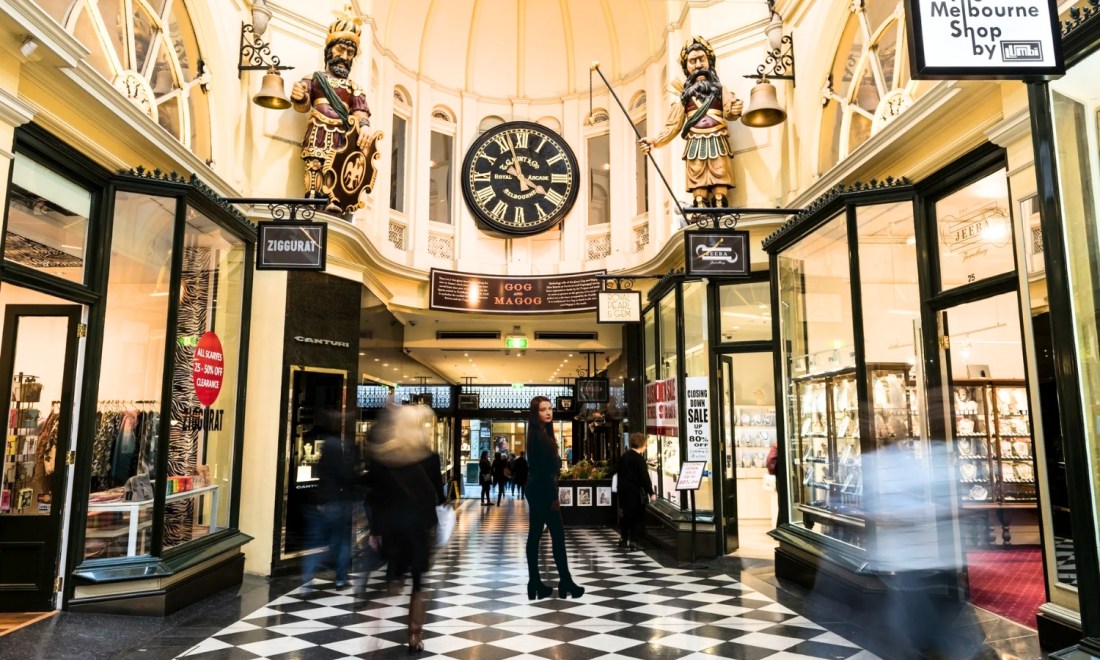
And as for the clocks? You can see one of the prestigious clocks in the Royal Arcade, Melbourne, and some of them now reside in one of Melbourne’s prestigious museums, where they are admired by visitors from all over. I visit them often, still in awe of the craftsmanship and the connection I feel to my great-great-grandfather. Seeing them displayed so beautifully in a public space has not only deepened my understanding of my family’s history but also given me a newfound appreciation for the importance of preserving our collective heritage.

Reflecting on the Journey

As I look back on this journey, I realise how much I’ve learned and grown. What started as a simple quest to preserve some antique clocks turned into a profound journey of discovery and connection. I’ve come to understand that preserving heritage is about more than just maintaining physical objects. It’s about respecting the past and embracing modern solutions that can ensure the longevity and accessibility of historical treasures.

The mobile storage facility in Melbourne played a crucial role in protecting and celebrating my family’s history while navigating the demands of contemporary life. Without their services, I’m not sure I would have been able to preserve these clocks for future generations.

This journey has taught me that we can honour our past while embracing the future. By using modern storage solutions, I was able to safeguard my ancestor’s remarkable story and ensure that it remains a part of Melbourne’s cultural landscape. The blend of contemporary storage solutions and historical preservation demonstrated that respecting our past while leveraging modern resources can create a meaningful and lasting impact.

Conclusion

This unexpected journey has shown me that history is not just something we read about in books. It’s alive, waiting to be discovered in the most unexpected places. And sometimes, all it takes is a crumpled piece of paper and a leap of faith to uncover a legacy worth preserving. My great-great-grandfather’s clocks are not just timepieces; they are the beating heart of our family’s story, a story that I am proud to share with the world.

If you’re like me, trying to balance the demands of everyday life while also preserving your family’s history, consider the benefits of mobile storage solutions. They offer the flexibility, security, and protection you need to keep your treasures safe, ensuring that the past is preserved for future generations.