The Secret Ingredient to a Chef’s Success

Ever felt like your dreams were just a little too big for the space you have? Like you’ve got all the ambition in the world but are constantly tripping over boxes and bags just to make it happen? That was me, a chef from Richmond, Melbourne. I started small—real small—selling jacket potatoes out of a trailer. It was a humble beginning, but man, did I have big dreams.

This is the story of how I took my cramped little kitchen on wheels and turned it into a thriving restaurant. But more importantly, it’s about how I discovered that sometimes the key to success is as simple as finding the right space to make your dreams come true. So, if you’re an entrepreneur, a small business owner, or someone with a vision that’s outgrown your current setup, this story’s for you.

My Humble Beginnings as a Chef

Hey, everyone! I’m Bruce—well, that’s not really my name, but to protect my true identity, just call me Bruce. I’m a 32-year-old chef who now owns a cosy little restaurant in Richmond, Melbourne. But before I had my own place, I was just a guy with a dream and a trailer selling jacket potatoes to anyone who’d give me a chance. It wasn’t glamorous, but I loved every second of it. Cooking has always been my passion, and I knew I wanted to share that love with the world—one perfectly baked potato at a time.

I started my journey with a trailer that had just enough room for me, a small oven, and a handful of ingredients. At first, it was manageable, but as word spread and business picked up, I quickly realized that my tiny setup wasn’t going to cut it. I needed more space—space for ingredients, cooking equipment, and all the little extras that make a meal special. But where was I going to find it? My trailer was bursting at the seams, and renting a bigger kitchen was way out of my budget.

Looking back, I can still remember the day I bought that trailer. It wasn’t much, just a second-hand, slightly rusted thing I found online. The previous owner had used it to sell coffee and doughnuts, and it smelled like a mix of old pastries and stale coffee. But to me, it was a golden opportunity. I scrubbed it down, painted it a bright, cheery yellow, and slapped on a hand-painted sign that read “The Wicked Spud.” It was the start of something special, even if I didn’t fully realise it at the time.

In those early days, I parked my trailer near construction sites, at local markets, and even outside footy games. Anywhere there were hungry people, I was there with my jacket potatoes, offering them a warm, filling meal for a fair price. My customers ranged from tradies looking for a quick lunch to families out for a weekend treat. I loved seeing their faces light up when they bit into one of my spuds, loaded with butter, cheese, sour cream, and whatever toppings they fancied. It was simple food, but it made people happy, and that made me happy.

The Struggles of a Growing Business

As my business grew, so did my inventory. I went from needing a few bags of potatoes and some toppings to juggling everything from fresh herbs to fancy table settings. My little trailer, which had been perfect in the beginning, started to feel more like a storage unit than a kitchen. I was tripping over bags of flour, digging through boxes to find the right spices, and constantly rearranging things just to keep from losing my mind. It wasn’t just inconvenient—it was downright stressful.

Every night after a long day of selling jacket potatoes, I’d spend hours trying to figure out how to store everything for the next day. I’d pile ingredients on top of each other, shove equipment into every corner, and pray that nothing would spoil overnight. I knew I needed a solution, but I had no idea what that could be. I was running out of space, and the thought of having to cut back on my inventory—or worse, my dreams—was heartbreaking.

One particularly rough evening, I remember staring at the mountain of supplies stacked inside my trailer, feeling utterly defeated. I was exhausted from a long day of work, and the thought of spending another hour organising everything was almost too much to bear. I started to wonder if maybe I’d bitten off more than I could chew. Maybe I was just a guy with a trailer, trying to do too much with too little. But deep down, I knew I couldn’t give up. I had a vision for where I wanted my business to go, and I wasn’t ready to let go of that dream.

The turning point came when I landed a spot at a popular weekend market in South Melbourne. It was a huge opportunity—thousands of people would be passing by my trailer each day, and I knew I needed to be prepared. But as I stood there, surrounded by boxes of ingredients and equipment, I realised there was no way I could fit everything I needed inside that trailer. I had to find a solution, and fast.

Discovering a Mobile Storage Solution Near Me

One day, while chatting with a fellow food truck owner, I heard about renting a mobile storage unit. At first, I didn’t think much of it. I mean, how could a storage unit help with my situation? But the more I thought about it, the more it made sense. A mobile storage unit could be exactly what I needed—a place to keep all my supplies organised, out of the way, and ready for when I needed them.

I did a bit of research on mobile self-storage containers in Melbourne and found a provider that offered units in various sizes. They even provided a free home assessment to help determine the right size unit for my needs. It sounded perfect, so I decided to give it a shot. I booked a unit, and within a few days, it was delivered right outside my house. It was clean, spacious, and just waiting to be filled with all the supplies that had been cluttering up my trailer.

What really sold me was the affordability. This mobile storage provider was a dollar cheaper than other storage facilities in Melbourne, and that adds up when you’re running a small business on a tight budget. Plus, it was portable, which meant I could have the unit delivered to my space whenever I needed to restock. All I had to do was call, schedule a delivery, and they’d bring the mobile self-storage container back to my place. Once I was done, they’d take it back to their storage facility. It was less hassle than I ever imagined, and I could finally breathe a little easier knowing I had a reliable storage solution.

Setting Up the Pop-Up Pantry

The day I started loading up the storage unit felt like a fresh start. I carefully organised everything—potatoes on one side, toppings on another, and cooking equipment in the back. For the first time in months, I felt like I had room to breathe. I could find what I needed without digging through piles of supplies, and I didn’t have to worry about things getting lost or damaged in the chaos.

The mobile storage unit quickly became my pop-up pantry. It was the perfect solution for a small business like mine—flexible, affordable, and incredibly convenient. I could stock up on ingredients in bulk without worrying about where to store them, and I had all my equipment ready whenever I needed it. Plus, having the unit right outside my house meant I could access everything quickly and easily, even on short notice.

Setting up my pop-up pantry was a game-changer. I no longer had to worry about running out of space or having to squeeze everything into my trailer. Now, I could keep my supplies organised and my kitchen clutter-free. It was a huge relief, and it allowed me to focus on what really mattered—making great food and growing my business.

The first time I used my new storage setup was at the South Melbourne market. I arrived early, feeling more prepared than ever. My trailer was tidy and well organised, with only the essentials on board. The rest of my supplies were neatly stored in the mobile self-storage container, ready to be retrieved whenever I needed them. As the day went on, I found myself able to work more efficiently, moving through orders with ease and confidence. Customers noticed too—they loved the variety of toppings I was able to offer, and many of them became regulars.

The Impact on My Business

With the pop-up pantry in place, everything changed. I no longer spent hours stressing over where to put things or how to keep my trailer organised. Instead, I could focus on what really mattered—cooking and growing my business. My efficiency skyrocketed, and so did my sales. I was able to offer a wider variety of jacket potatoes, experiment with new toppings, and even start catering for events—all because I had the space to do it.

The extra storage also allowed me to take advantage of bulk buying, which saved me money and reduced my overhead costs. I could stock up on ingredients when prices were low and store them safely until I needed them. It was a game-changer, and it gave me the flexibility to grow my business without having to worry about space limitations.

One of the biggest benefits of having the mobile storage unit was the ability to expand my menu. Before, I was limited by what I could fit in my trailer. But with the extra storage space, I could experiment with new recipes and offer more options to my customers. I started adding gourmet toppings like smoked salmon, truffle oil, and fresh herbs, which quickly became crowd favourites. I also began offering gluten-free and vegan options, catering to a wider audience and attracting even more customers.

As my business continued to thrive, I started to think about the future. I loved working out of my trailer, but I knew that if I wanted to take my culinary dreams to the next level, I needed a more permanent setup. That’s when I decided to take the leap and open my own restaurant—still under the name “The Wicked Spud.” But this time, I wasn’t just selling jacket potatoes. I was offering a full menu of comfort food, from hearty soups to mouth-watering desserts. And thanks to my experience with the mobile storage unit, I knew exactly how to keep my kitchen organised and efficient.

The transition from a food trailer to a brick-and-mortar restaurant was challenging, but it was also incredibly rewarding. I was able to bring my vision to life in a way that I never could have imagined when I was just a guy with a trailer selling jacket potatoes. And as my restaurant grew in popularity, I knew that I had made the right decision.

Expanding Into Catering

As the restaurant became more established, I started to receive requests for catering services. At first, I was hesitant. Catering seemed like a whole new level of complexity, and I wasn’t sure if I could handle it. But then I remembered how the mobile storage unit had transformed my business before. If it could help me manage my supplies in a tiny trailer, it could definitely help me expand into catering.
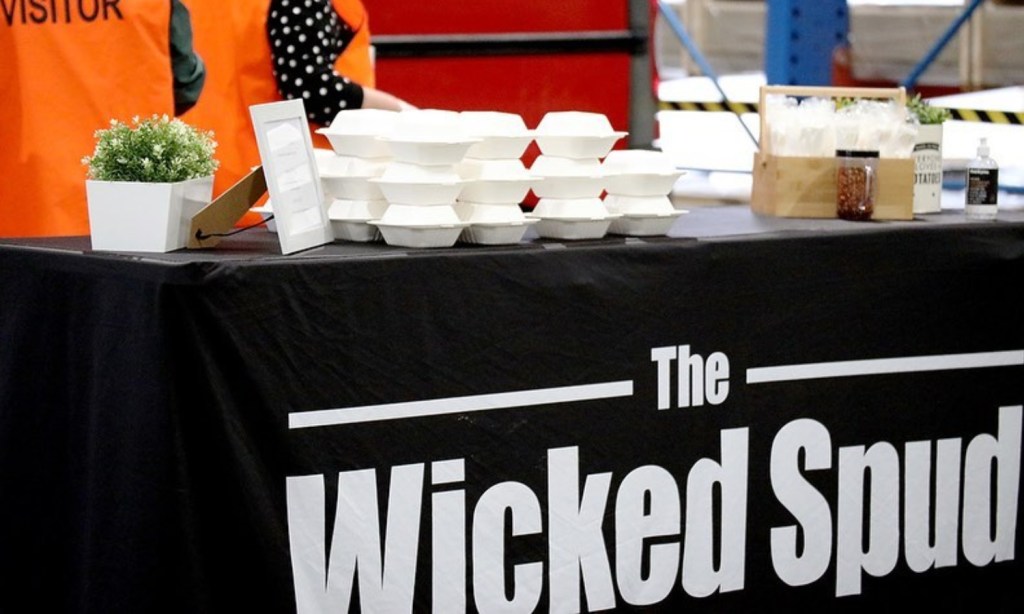
I began to offer catering services for events like weddings, corporate functions, and parties. The mobile storage unit became even more valuable as I used it to store large quantities of equipment, and serving supplies. It allowed me to take on bigger jobs without worrying about where to keep everything. And just like before, the flexibility and convenience of the mobile storage solution made all the difference.

Catering turned out to be a huge success. People loved the food from “The Wicked Spud,” and I loved being able to bring my cooking to new places and new people. Whether it was a backyard BBQ or a fancy wedding reception, I was able to deliver delicious, high-quality meals that made every event special. And because I had the right storage solution in place, I could handle multiple catering jobs at once without breaking a sweat.

Conclusion

Looking back on my journey, I’m amazed at how far I’ve come—from a tiny trailer selling jacket potatoes to a thriving restaurant and catering business. It hasn’t always been easy, but every challenge has taught me something valuable. And if there’s one thing I’ve learned, it’s that sometimes the key to success is finding the right space to let your dreams grow.

For anyone out there who’s struggling with space—whether you’re running a small business, managing a growing family, or just trying to keep your life organised—I can’t recommend mobile storage solutions enough. They’ve been a game-changer for me, and I’m sure they can help you too. So don’t let a lack of space hold you back. Find the right solution, and let your dreams take off.
Convenient Urban Living with Storage Facilities in Melbourne

Melbourne’s urban lifestyle has its own set of difficulties, especially when it comes to effective space management. Residents must locate suitable storage options because of the city’s busy urban locations and dynamic lifestyle. This article examines how life in the city may be made more convenient and efficient with the help of storage containers Melbourne.

Residents may make the most of their living spaces and create a more spacious and organised home by strategically deploying storage containers in Melbourne. When moving or renovating, these storage options offer a secure method to store seasonal goods, declutter, or household items. Finding trustworthy storage containers is essential for homeowners to keep their living spaces tidy and functioning in a city where space is limited. Living in an apartment or smaller house, where every square metre matters, makes this convenience extremely beneficial.

Understanding Urban Living Storage Needs

Urban residents in Melbourne experience serious space constraints, especially in apartments and smaller residences. The requirement for more storage space results from seasonal goods and hoarding goods that might not fit in small living areas.

  • Seasonal Items: A lot of people in Melbourne buy things that are unique to particular seasons of the year, like sports equipment, winter apparel, and holiday décor. Although necessary in their respective seasons, these goods can take up valuable storage space when not in use. Your home will be more structured and comfortable all year if it is stored in a special location, which frees up space.
  • Hobbies and Collectibles: A common problem for fanatics is that their collections or passions take up more space than their living arrangements can provide. Enthusiasts can follow their passions without overcrowding their living spaces by having a safe place to store their collections of old vinyl albums, model trains, or art tools.
  • Temporary Storage: A temporary need for additional space can come from life events like relocating, remodelling, or switching residences. Because they offer a secure location to store goods until they can be transported to their final destination, having access to a reputable storage facility during these times can greatly alleviate stress.

Advantages of Using Storage Facility Services  

Storage facilities provide a number of advantages designed for urban living. They reduce mess and improve living spaces by offering easily accessible and secure places to keep things that aren’t frequently used. Residents can choose the services that best fit their needs from a variety of options, including creative container solutions and conventional storage spaces.

  • Getting rid of the mess in houses: Being able to declutter your living area is one of the most obvious advantages of hiring a storage facility. You may make your home feel more roomy and peaceful by putting things that aren’t used every day into storage. Your home will look better and be easier to maintain and organise after going through this decluttering procedure.
  • Enhanced Security: Modern storage facilities are equipped with advanced security features, including CCTV surveillance, secure access control systems, and on-site personnel. These measures provide peace of mind, knowing that your stored items are well protected from theft, vandalism, or unauthorised access.
  • Accessibility: Many storage facilities offer flexible access hours, some even providing 24/7 access. This means you can retrieve or store items at your convenience, making it easier to manage your belongings without disrupting your daily schedule.

Types of Storage Facilities in Melbourne

The variety of storage options Melbourne has to offer can meet a wide range of storage needs. Container systems enable on-demand delivery and pickup services that provide safe spaces inside specialist facilities along with flexibility in residential areas.

  • Traditional Storage Units: These units vary in varied capacities to suit different storage needs and are usually found within a large storage facility. They are perfect for storing things that aren’t needed every day for a long time, such as furniture, seasonal goods, or company inventory.
  • Mobile Storage Containers: You can fill these containers whenever it is most convenient for you because they will be delivered to your address. The container is picked up and stored at a secure location after it has been packed. Since it saves making many trips to a storage facility, this alternative offers flexibility and convenience, especially during moves or renovations.
  • Car Storage Facilities: Parking is frequently limited in urban areas. Whether you have a vintage car, a motorcycle, or just an extra vehicle that won’t fit in your driveway, your need for a safe place to keep your automobile requires a car storage facility. These establishments offer defence against environmental factors, possible theft, and vandalism.

Choosing the Right Storage Facility

It’s important to consider accessibility to cities, affordability, and the range of storage alternatives when choosing a storage facility. In particular, for needs requiring frequent access, facilities near residential hubs offer convenience.

  • Location: Choosing a facility that is conveniently located near your home or workplace can save you significant time and effort, especially if you anticipate needing to access your stored items regularly. A nearby location also reduces transportation costs and makes it easier to manage your belongings.
  • Cost: The price of storage can differ significantly based on a number of variables, including the unit’s size, location, and extra features like climate control. Finding the ideal storage facility that suits your budget and comparing rates is crucial. Examine any long-term agreements or hidden costs that could impact the final price.
  • Size Options: A number of variables, including the unit’s size, the facility’s location, and extra services like climate control, can affect the cost of storage. It’s critical to evaluate costs and select a storage option that is within your means. Keep an eye out for any long-term agreements or hidden costs that could raise the final price.

Cost Considerations

The storage cost in Melbourne may vary depending on a number of factors, including the facility’s size, location, and additional amenities like climate control. By researching pricing structures and comparing costs, locals can find cost-effective storage solutions that meet their requirements.

  • Monthly Rent: Depending on the size and location of the facility, the monthly rent for storage units normally starts at $150. Assessing your requirements and selecting a unit size that provides the most value for your money without requiring you to pay for extra room is crucial.
  • Additional Fees: Be mindful of any additional expenses that may arise, such as security deposits, administrative fees, or 24-hour access fees. Certain establishments may also charge extra for enhanced security features or climate-controlled rooms. Being upfront about these fees can help you budget more effectively.
  • Discounts and Promotions: Numerous storage facilities run specials for first-time clients or savings for extended stays. Asking about specials or haggling for a lower price is worthwhile, particularly if you want to use the storage unit for a longer period of time.

Features of Modern Storage Facilities

Modern storage facilities in Melbourne prioritise security, climate control, and accessibility. Features like 24/7 access, advanced security systems, and environmentally controlled storage units ensure peace of mind for customers storing valuable or sensitive items.

  • Security Measures: Melbourne’s modern day storage facilities place an emphasis on accessibility, climate control, and security. Customers storing sensitive or valuable items may feel comfortable knowing that their belongings are kept safe by features like higher quality security systems, environmentally controlled storage spaces, and 24/7 access.
  • Climate Control: Electronics, paperwork, artwork, and some forms of furniture are among the things that must be stored in climate-controlled spaces because they are susceptible to changes in humidity and temperature. By preserving a constant atmosphere, these units guard against damage brought on by severe weather.
  • Flexible Access Hours: In order to accommodate busy schedules, several facilities offer extended or 24/7 access. It is simpler to handle your stuff without having to follow rigid facility hours thanks to this flexibility, which lets you retrieve or keep items whenever it suits you.

Integrating Storage Solutions into Urban Lifestyles

Living in an urban environment requires effective organisation and storage space utilisation. Use of vertical space, proper packing methods, and item classification for simple retrieval are some strategies to maximise storage efficiency.

  • Packing Techniques: You can keep your belongings safe while storing them by using sturdy boxes and packing supplies. You can find products more quickly when you keep an inventory list and carefully label each box. Ensuring that your belongings are packed properly also protects them from damage both during shipping and storage.
  • Vertical Storage: You may efficiently store more goods in your storage unit by making the most of the vertical space available. While keeping everything accessible and organised, shelving systems or stacking boxes can maximise the amount of space that is available. To avoid damaging lighter objects, make sure the larger items are positioned at the bottom.
  • Categorisation: It can save time and effort to retrieve specific goods if related items are grouped together and stored in boxes with clear labels. Simplifying the process even more will help you locate what you need quickly and avoid wasting time searching by generating a thorough inventory and a map of your storage facility.

Eco-Friendly Storage Options

Storage facilities in Melbourne frequently employ environmentally friendly practices, such as the utilisation of renewable resources and energy-efficient storage solutions. The environmentally friendly storage options that urban inhabitants choose are consistent with their values of sustainability and responsible living.

  • Sustainable Materials: Seek out facilities that use sustainable or recycled resources for building and packaging items. By supporting sustainable methods in the storage business, these materials lessen their influence on the environment.
  • Energy Efficiency: Energy consumption can be greatly decreased in buildings by using solar energy, energy-efficient lighting, and climate control systems. Not only are these environmentally friendly features good for the environment, but they can also save on operating expenses, which could mean cheaper rental rates.
  • Green Policies: Some storage facilities encourage their clients to practice environmental responsibility by offering recycling programmes for packaging materials. You may satisfy your storage needs and lessen your carbon impact by selecting a facility with robust green practices.

Insurance for Storage Units

It is impossible to overestimate the significance of insurance for storage units. By guaranteeing that your possessions are safe from unanticipated situations, it provides safety and peace of mind.

  • Insurance Coverage: Security against loss, damage, or theft is provided by the majority of storage facilities through insurance choices. It’s crucial to know what is covered and select the plan that best suits your needs because coverage can differ. If something goes wrong, you know that you will be covered financially thanks to insurance.
  • Types of Insurance: Protection against theft, vandalism, water damage, and natural disasters are some examples of coverage possibilities. Liability coverage for injuries sustained by individuals within the storage unit may also be provided by certain policies. You may get the best coverage for your possessions by being aware of these possibilities.
  • Enquire About Insurance: When selecting a storage space, always enquire about insurance alternatives. Basic insurance may be included in the rental price at some facilities, while it may be an optional extra at others. You may make an informed decision about safeguarding your stored items by comparing insurance and costs.

Conclusion

To sum up, storage facilities considerably improve Melbourne’s urban life by offering safe and practical answers to the area’s particular space problems. These resources help residents keep tidy, clutter-free homes by addressing issues including limited space and high living expenses. The use of storage containers in Melbourne can improve efficiency and reduce stress in your life, whether you’re storing seasonal goods, hobbies, or needing temporary storage during life transitions.

It’s never been simpler to locate the ideal storage solution for your needs thanks to the range of options available, including enhanced security features and flexible access hours. The knowledge that your possessions are secure and available whenever you need them is provided by these amenities. You may make the most of your living space, lessen clutter, and create a more open and peaceful living atmosphere in Melbourne’s dynamic metropolis by employing storage intelligently. This method not only makes your house more functional, but it also makes living in the city more enjoyable overall.

Be Prepared: How Self-Storage Can Aid Disaster Readiness for North-East Melbourne Residents

bunch of boxes in a room

North East Melbourne is a beautiful and vibrant part of Australia, but it’s also a region susceptible to natural disasters. Floods, bushfires, and severe storms can cause significant damage to property and infrastructure and disrupt lives for weeks or even months. While we can’t control these events, we can take steps to be prepared for them.

Unfortunately, limited space in our homes often makes disaster preparedness a challenge. Storing bulky emergency supplies like water, generators, and first-aid kits can be difficult. Finding a safe and secure place for important documents and valuables can be even harder. This is where self-storage in North East Melbourne can become a valuable tool to help residents be better prepared for any emergency.

The Challenges of Disaster Preparedness in North-East Melbourne

Many North East Melbourne residents face unique challenges when it comes to disaster preparedness due to limited space in their homes and a lack of suitable storage options within their dwellings. Here are some specific examples:

  • Apartment living: Although they often provide little storage space, apartments are a common type of accommodation in North East Melbourne. This might make it challenging to gather necessary emergency supplies, like non-perishable food, bottled water, first aid kits, and sanitary products. Larger emergency supplies like generators, collapsible picnic tables, chairs, or portable grills may be difficult for residents to store. Although several apartment complexes would have a restricted number of storage cages or lockers in their garages or basements, these areas could be small and difficult to get into, particularly in an emergency. Apartment residents have access to a larger and more convenient option for storing their emergency supplies and gear: self-storage facilities.
  • Limited storage in houses: Even some houses in North East Melbourne may not have ample storage space. Many homes lack dedicated storage rooms or large basements, and garages may be filled with vehicles or other belongings. This leaves limited space for stockpiling emergency supplies or storing bulky items like fire extinguishers, sandbags, or rolls of heavy-duty plastic sheeting.
  • Accessibility issues: Some homeowners may rely on basements, attics, or garages to store belongings. However, these spaces can be readily accessible during an emergency. Flooding can cut off access to basements, while attics with pull-down stairs may be difficult to navigate in a hurry or after dark. Similarly, fires or debris may block access to garages. Storing essential supplies in a readily accessible location is crucial for a quick response during a disaster.
  1. Inaccessible storage: Some homeowners may rely on basements, attics, or garages to store belongings. However, these spaces may not be readily accessible during an emergency due to flooding, fire, or debris.
  2. Protecting valuables: Important documents (e.g., passports, wills) and precious keepsakes (e.g., jewellery, heirlooms) need a safe and secure location during a disaster. Standard home storage may not offer adequate protection from fire, water damage, or theft.
man securing the box

How Self-storage Units Can Help North East Melbourne Residents Be Disaster Ready

Benefits: 

  • Frees up space at home for essentials: this keeps essentials like water, food, and first-aid kits close by without cluttering your home.
  • Protects valuables from damage and theft: offers secure, climate-controlled units that safeguard important documents and irreplaceable belongings from fire, water, and theft.
  • Offers convenient access to stored items during an evacuation. These units near home allow quick retrieval of supplies during emergencies.

Types of units suitable for disaster preparedness:

  • Climate-controlled storage facilities are necessary to protect temperature-sensitive goods from being harmed by excessive heat or cold. Items such as medical supplies, technology, pictures, and critical papers can fall into this category. Climate-controlled units shield your possessions from warping, breaking, or the growth of mould by helping to maintain a constant temperature and humidity level.
  • Drive-up units: These units make it easy to load and unload heavy items by allowing you to pull your car right up to the entrance. Larger things that are frequently used in disaster preparation, including generators, coolers, tarps, plywood boards, sandbags, or foldable furniture, are best stored in this way. For greater amounts of bottled water, canned food, or other emergency supplies, drive-up machines can be a suitable choice.

Finding the Right Self-Storage Facility in North East Melbourne

  • Location: Look for facilities close to home for easy access. Proximity is crucial, especially during emergencies when time is of the essence. Having a storage unit nearby ensures you can quickly reach your supplies when needed.
  • Security: Choose a facility with 24/7 security features such as alarms and cameras. These measures help protect your valuables from theft and damage. Knowing your items are secure provides peace of mind during a disaster.
  • Unit Size: Select a unit that comfortably fits your disaster preparedness needs. Consider the volume of items you need to store, including emergency supplies and valuables. A well-sized unit allows for easy organisation and access to your essentials.
  • Accessibility: Ensure the facility offers convenient access during emergencies with flexible hours. The ability to reach your unit at any time is crucial for effective disaster response. Check if the facility can accommodate special access needs during crises.

Extra Strategies for Maximising Self-Storage for Disaster Preparedness

Natural disasters are a threat in North East Melbourne, and limited home space can hinder preparedness. Secure storage can be a valuable asset, but organisation is key. For a swift response, clearly label stored items. Use durable labels with specific names, like “First-Aid Kit” or “Canned Food.” This saves time in an emergency. Secondly, rotate perishable supplies like water and food. Regularly check expiration dates and replace outdated items to ensure they’re usable when needed. Finally, maintain an inventory list for organisation and insurance purposes. A detailed list helps track belongings and simplifies filing claims in case of disaster. By following these steps, your storage unit becomes a well-equipped disaster preparedness zone, ready to provide the resources you need when disaster strikes.

Conclusion

Disaster preparedness is essential for ensuring the safety and resilience of North East Melbourne residents, and this proves to be a valuable tool in this effort. Utilising self-storage for safeguarding vital documents, valuables, and emergency supplies provides significant peace of mind, knowing that your essentials are secure and accessible in times of crisis. We encourage all residents to explore local unit options to enhance their disaster readiness and protect their families and belongings. Taking proactive steps now can make a substantial difference when it matters most.